About K2K Aktif Bersama
Urban B40 communities living in public housing units like PPRs (Projek Perumahan Rakyat) experience high level of stress which has been amplified by the Covid-19 crisis. Studies have shown that factors such as residential crowding and socioeconomic disparities experienced by these communities lead to higher levels of negative mental and physical well-being. As the public housing population in Malaysia is estimated at 3 million, this issue affects a significant proportion of the population. While practicing a healthy lifestyle can be simple, behaviour change is difficult due to multiple stressors and a non-supportive environment.
Aktif Bersama (which is Malay for being active together) is a community well-being initiative anchored around the multiple benefits of walking. This project is supplemented by talks and workshops designed to build literacy on health and well-being.
The project is designed to improve physical health, mental health and social networks while strengthening community leadership because we believe that healthy bodies, minds, and social networks lay the foundation for more resilient and productive communities. To that end, Aktif Bersama facilitates positive behavioural change with the support of community-based organisations and programme delivery partners with the relevant expertise to enable sustainable on-site programming.
This project is a component of Think City’s K2K programme and supported by Citi Foundation.
K2K is a programme by Think City, co-developed with the World Bank aiming to facilitate poverty exit and reverse the social, economic and physical decay in public housing schemes. It is a multi-dimensional social resilience programme around three impact areas: Reduce cost of living, strengthen lives and livelihoods and improve management systems. While the project concept is owned by Think City, various components are run by or with partners and funded by various sources, with Citi Foundation’s support for implementation.

The inaugural project took place from January to March 2021 and was targeted at the PPR Kampung Baru HICOM community, a public housing estate with 980 households spread across the housing blocks. Some adjustments to delivery had to be made due to Covid-19 SOPs. The project took a comprehensive family approach to wellbeing, with a primary focus on women and youths.
Project Components
The K2K Aktif Bersama project took a holistic approach with activities that cover physical, mental and social health. The activities were also designed to be easily adapted for any neighbourhood and to offer something for everybody, no matter their age or ability, that in turn encourages the community to expand their social networks and make new friends. Details of the activities are as follows.
Walking Groups
With PERWACOM, Pasukan Ikatan Desa and local NGOs
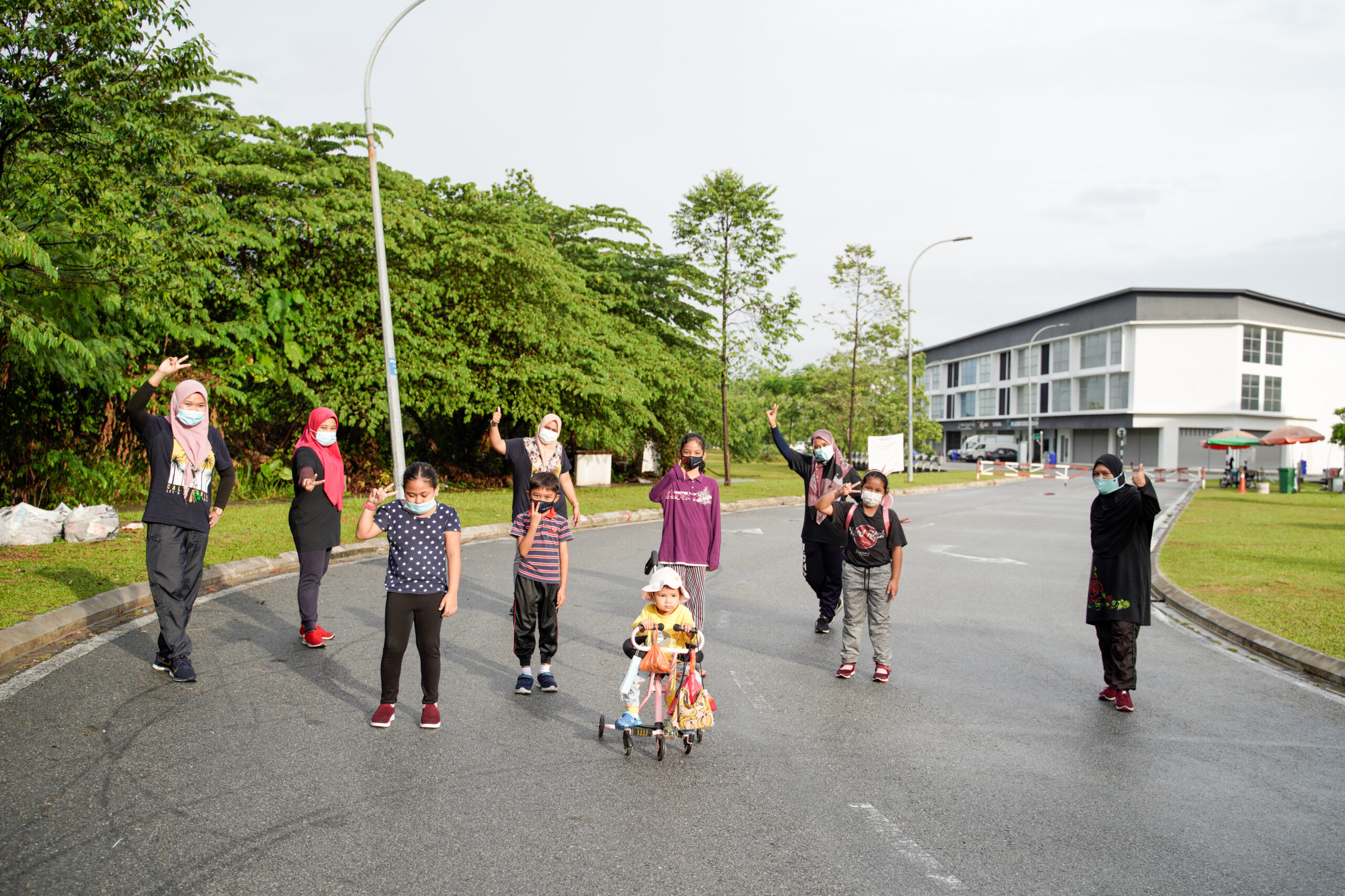
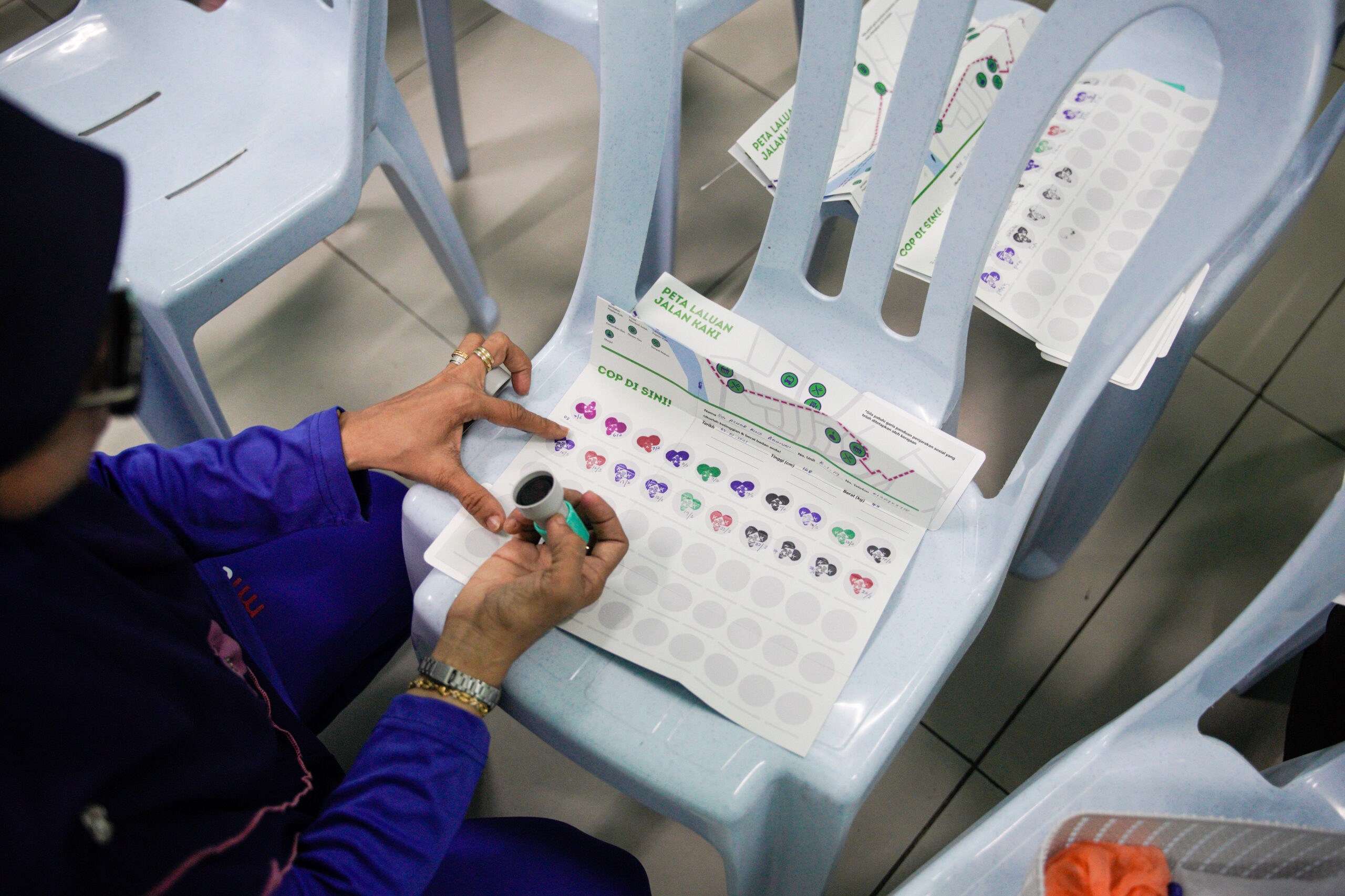
Walking is an accessible and low-risk physical exercise that has proven physical and mental health benefits; it can also be a catalyst to build better social cohesion among the residents. Residents, led by 15 trained leaders from the community, walked in groups around their neighbourhood daily. Walking tracks were assessed for safety and maps created to show the path. Record of each walk formed the basis for rewards and prizes. A weekly Lucky Draw was held to encourage participation.
Stroke Awareness
By National Stroke Association of Malaysia (NASAM)
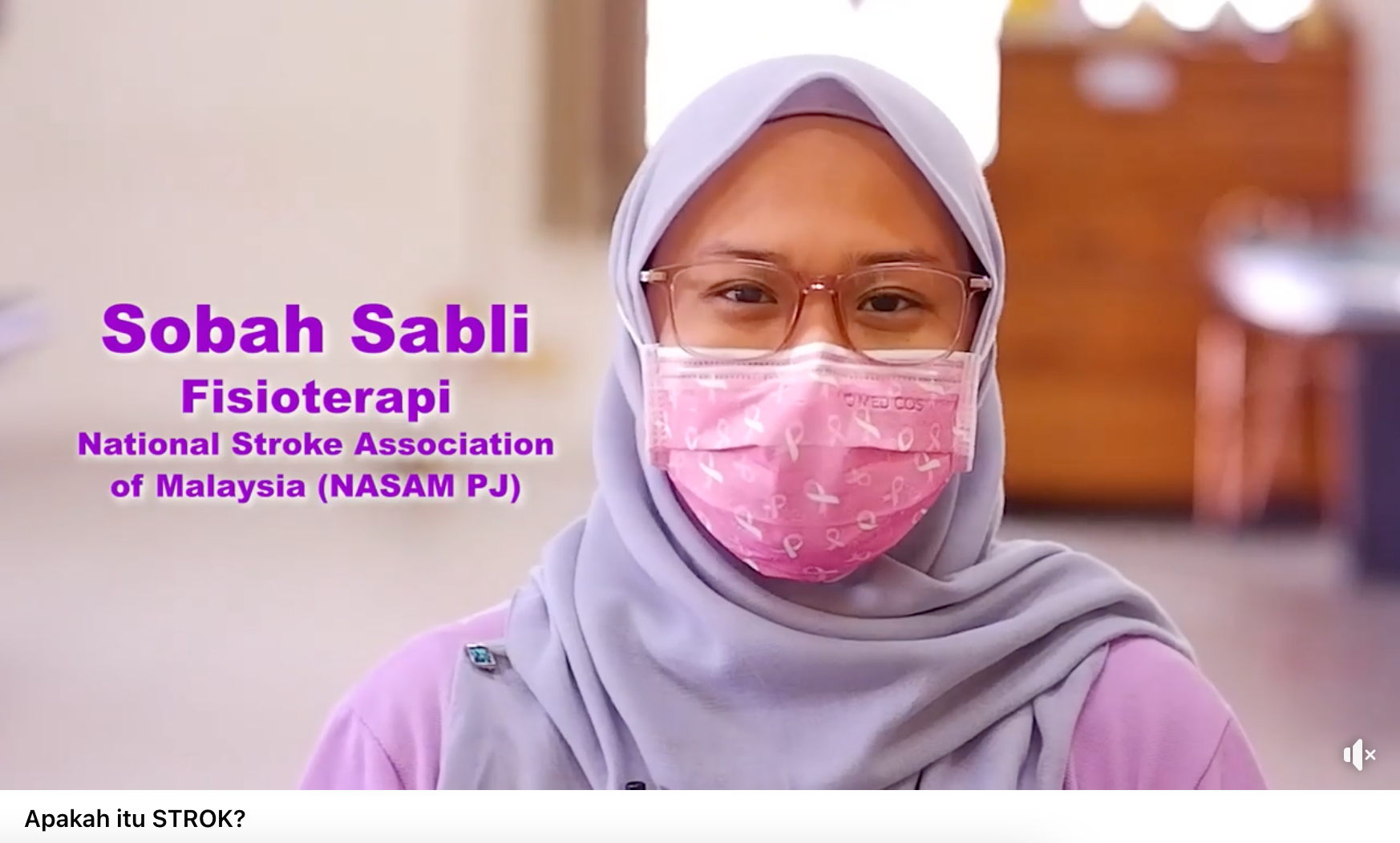
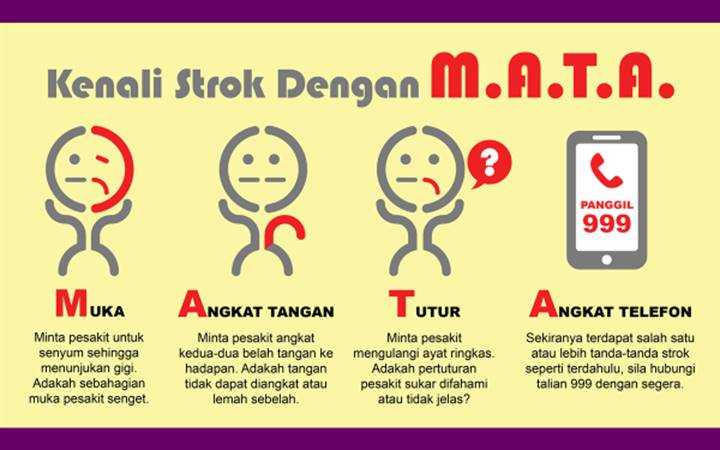
Stroke is the third most common cause of mortality in Malaysia, and the leading cause of disability in the nation. Patients sometimes do not immediately realise they are experiencing a stroke; thus it is important to be aware of the signs. NASAM conducted a short webinar on the symptoms of stroke and collaterals were disseminated to the community via social media.
Cancer Awareness
By National Cancer Society of Malaysia (NCSM)
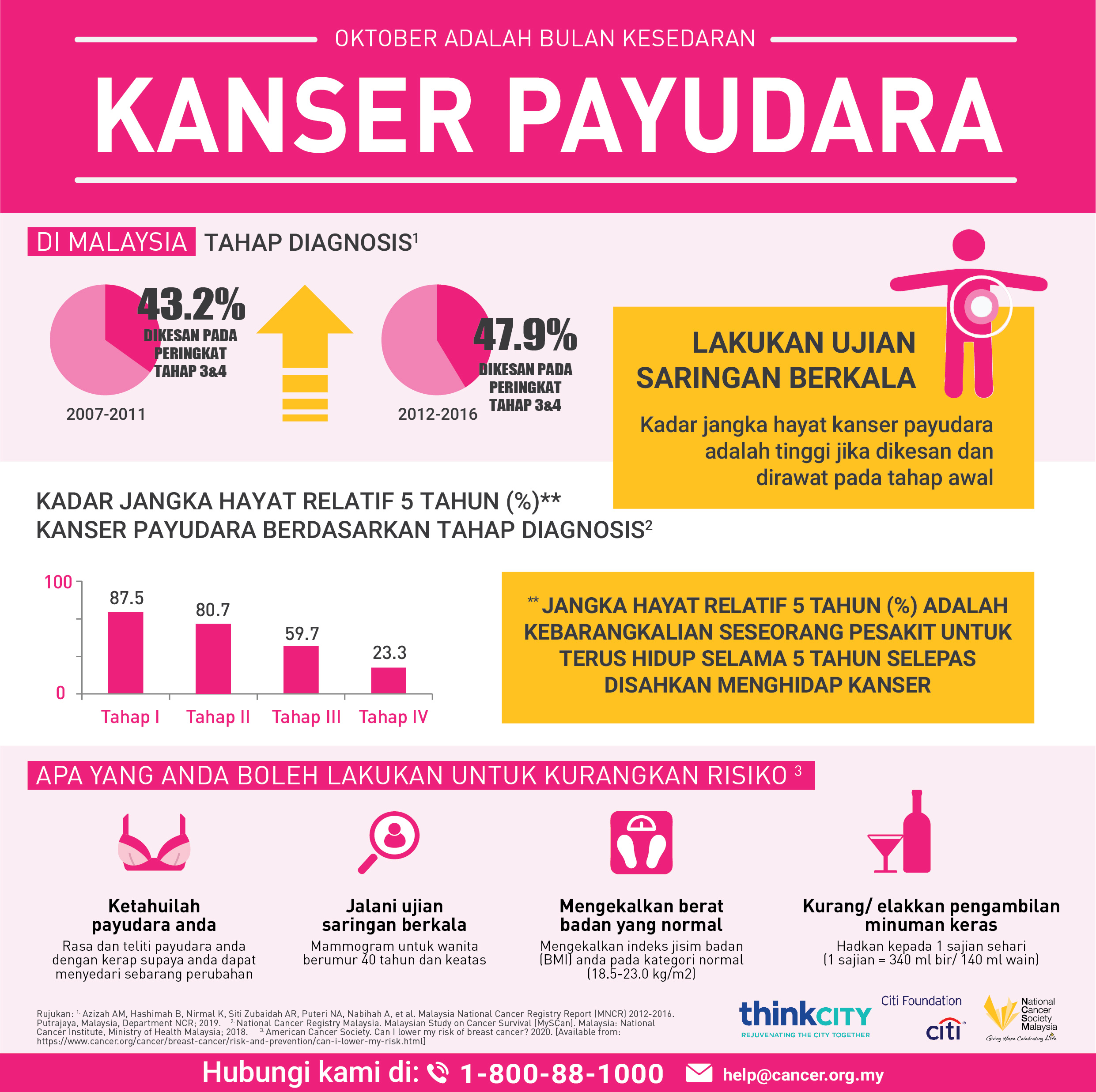
Cancer cases are on the rise and 60% of cases are only detected at late stages when the chances of recovery are much slimmer. There are many risk factors for cancer such as age, family history, lifestyle habits and so on. However, from an individual’s perspective, it is critical to be aware of the early signs of cancer for timely treatment to be sought and to know lifestyle factors that can prevent or delay the development of cancer.
NCSM conducted webinars on various types of cancer, as well as on having good dietary habits. Informational posters were also disseminated to the community via social media.
Active Listening Workshop
By Befrienders KL
Active Listening is an important component of Befrienders’ work with suicide prevention This workshop covered topics such as: signs, symptoms of distress/ suicide; active listening and how to provide emotional support.
Mental health consultation
By Thrive Well
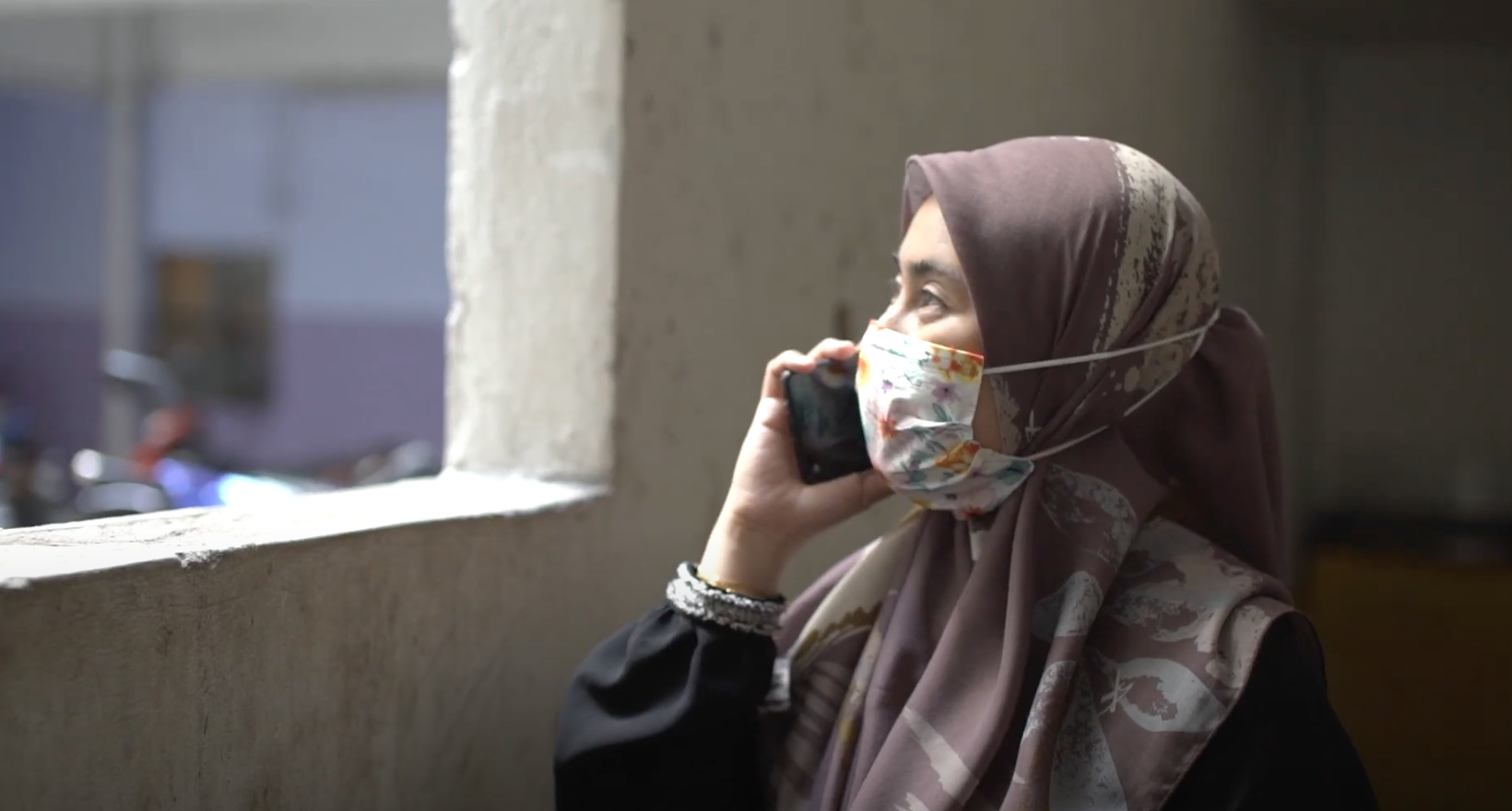
Individual counselling sessions are a good way for people to do some self-exploration and seek guidance on managing emotions as it is a safe outlet for people to vent about issues. Each session was a consultation that was inclusive of the Depression, Anxiety and Stress Scale (DASS-21) screening and sharing of results. Appropriate references and referrals were provided where necessary.
Goal-setting workshop
By Thrive Well
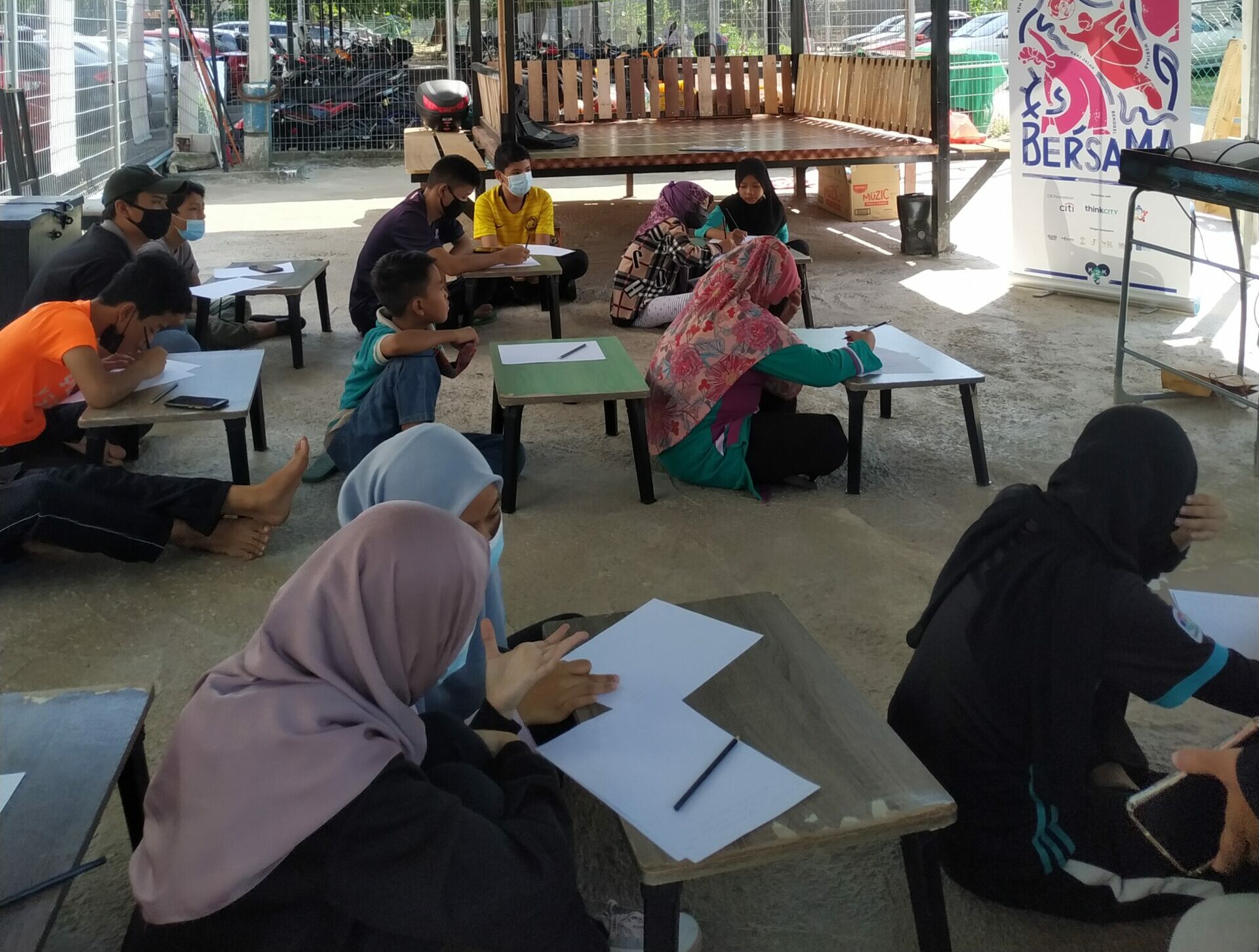
Goal setting is important to help youths understand what they want to achieve and how they could succeed in achieving them. The 45-minute workshop guides youths through a process and then to land on some actionable items.
Participants aged 10-18 learnt how to set goals according to the SMART guide and several of them shared their goals at the end.
Mental health awareness
By Thrive Well
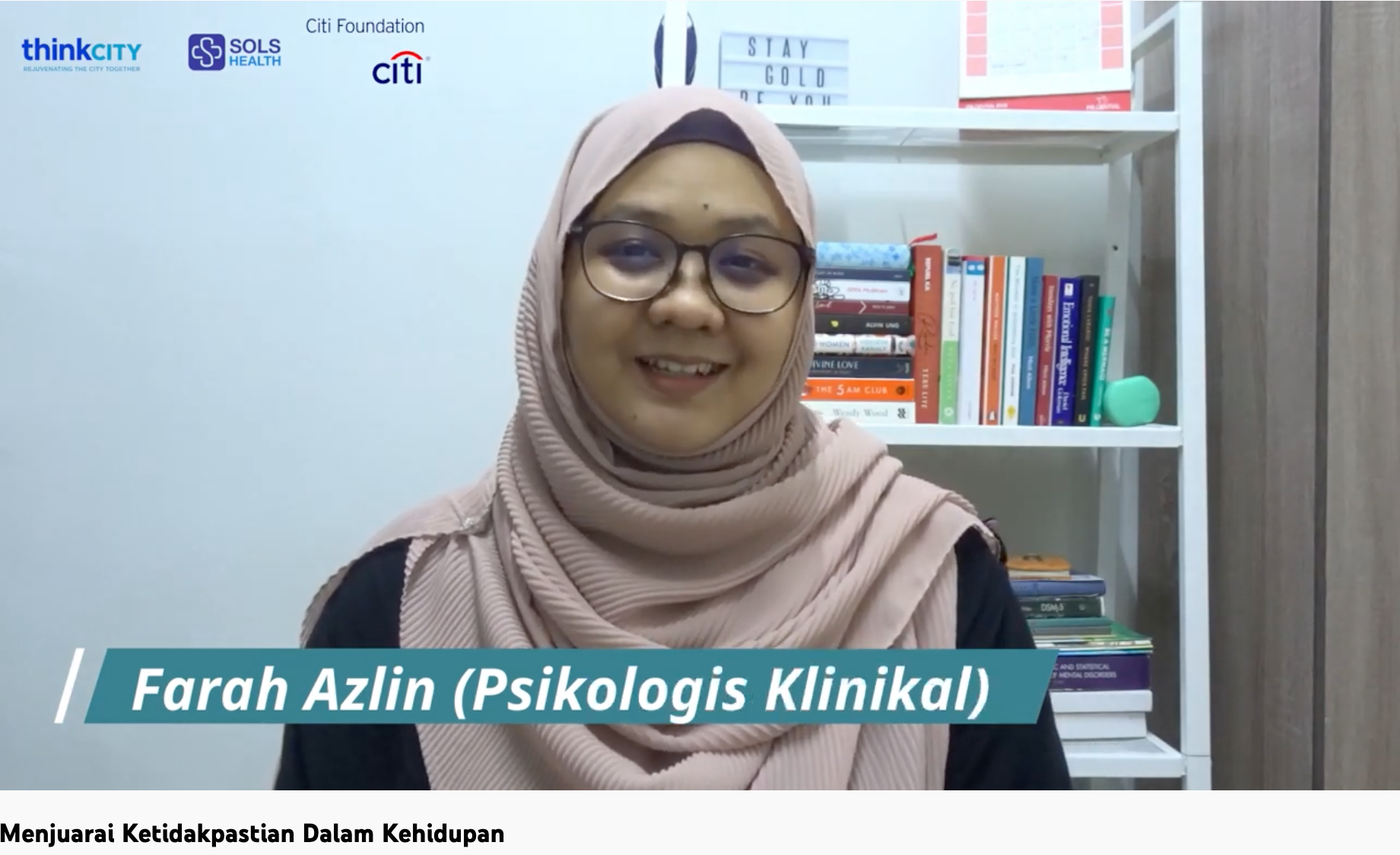
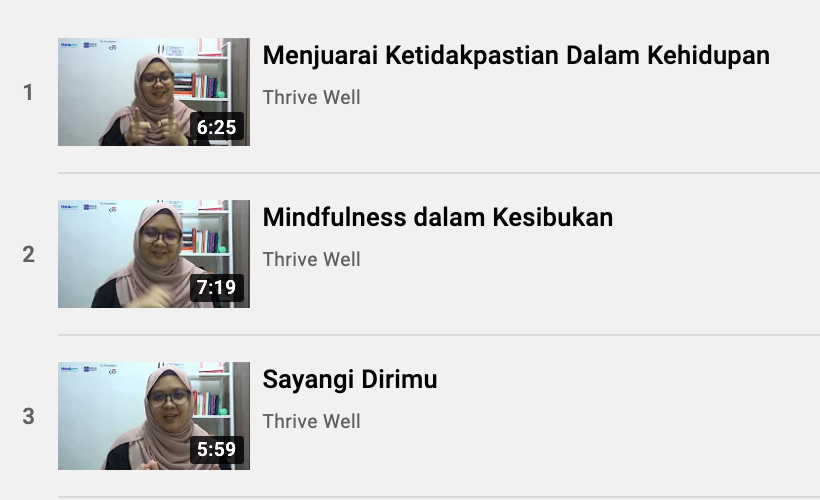
Mental health problems can affect anyone. The lack of healthy coping strategies, social support and the social stigma surrounding mental health can worsen the issue. Thrive Well was engaged to create a playlist of short videos on facing uncertainty, practicing mindfulness and self-love.
Composting and waste workshop
By Free Tree Society
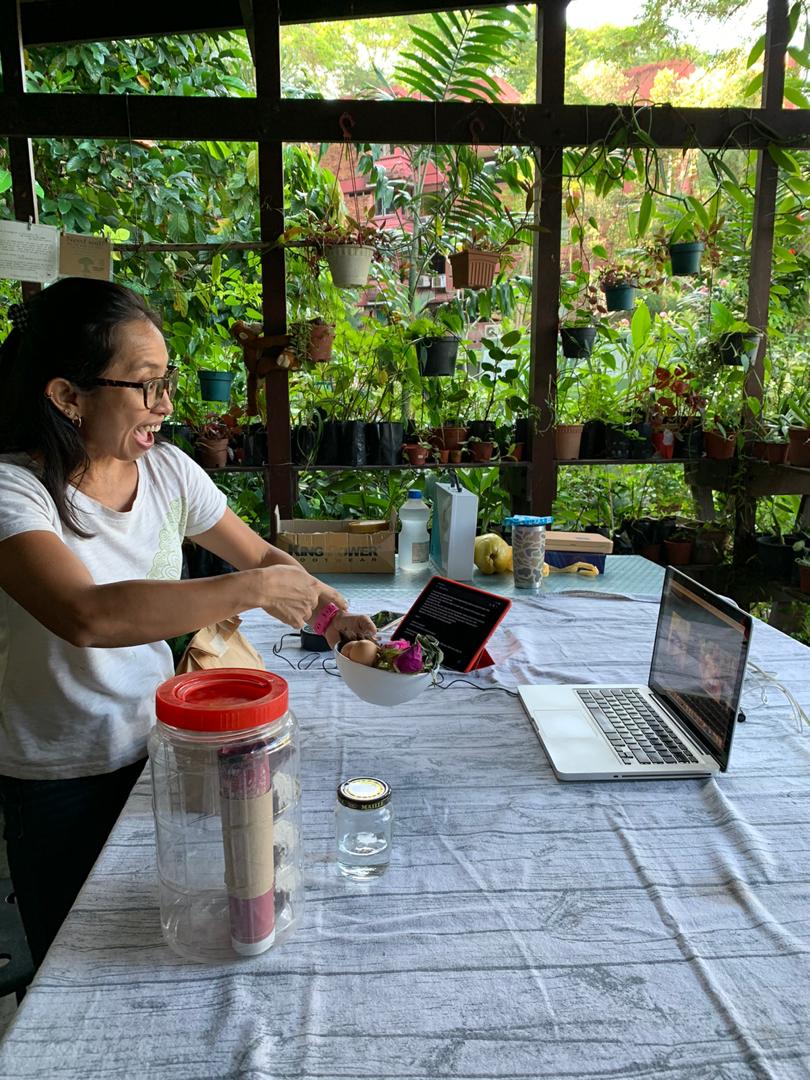
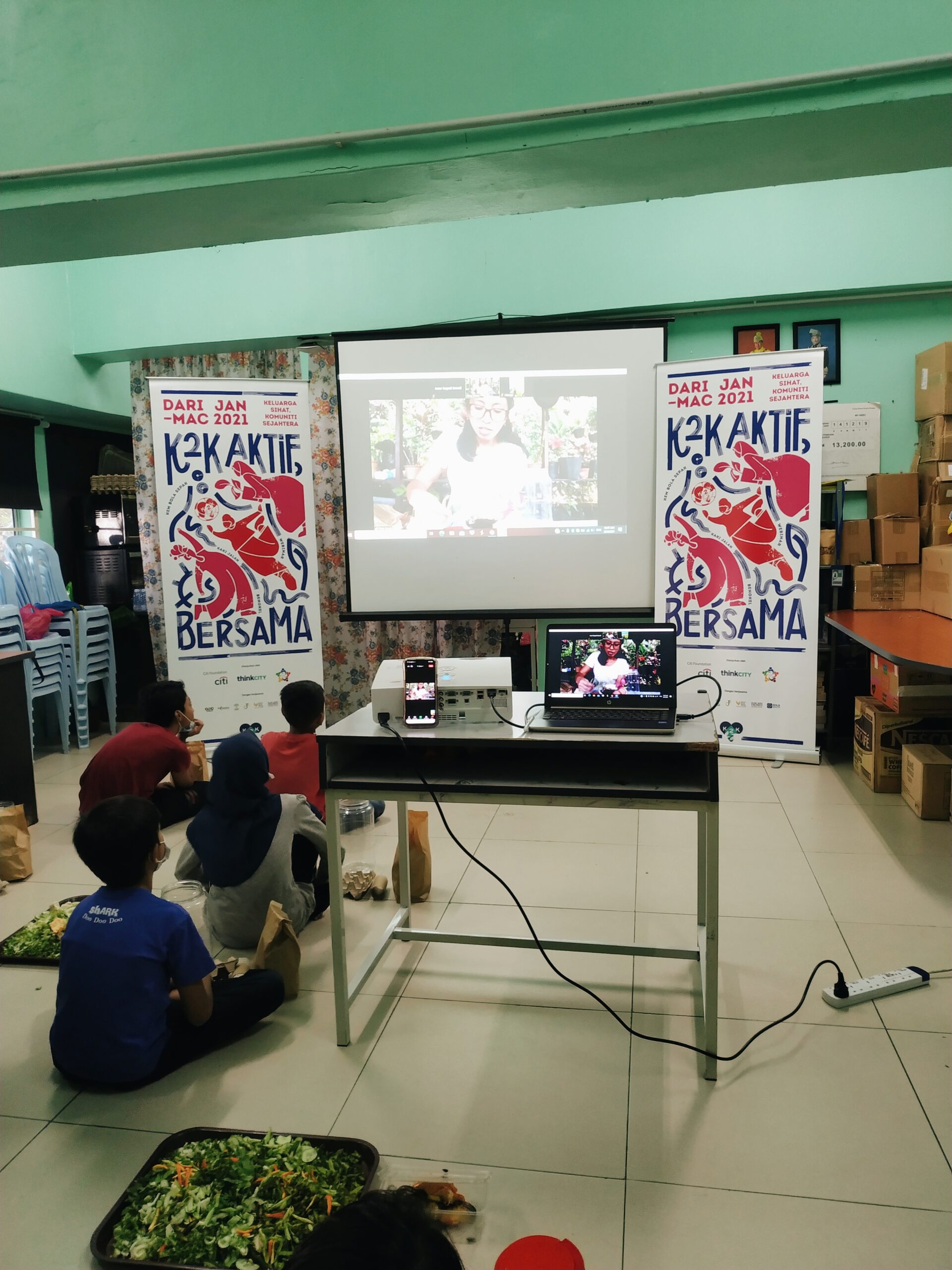
The ever-increasing flow of household waste is an environmental problem that needs to be better addressed with the help of public participation in waste management processes. Understanding how to manage household waste is the first step in improving one’s immediate and wider living environment. Participants aged 10-18 learnt how to make their own mini compost bin through the hands-on activity and learnt about the larger waste issue, sustainable consumption habits, zero waste and recycling.
The activity was conducted virtually due to Covid-19 restrictions.
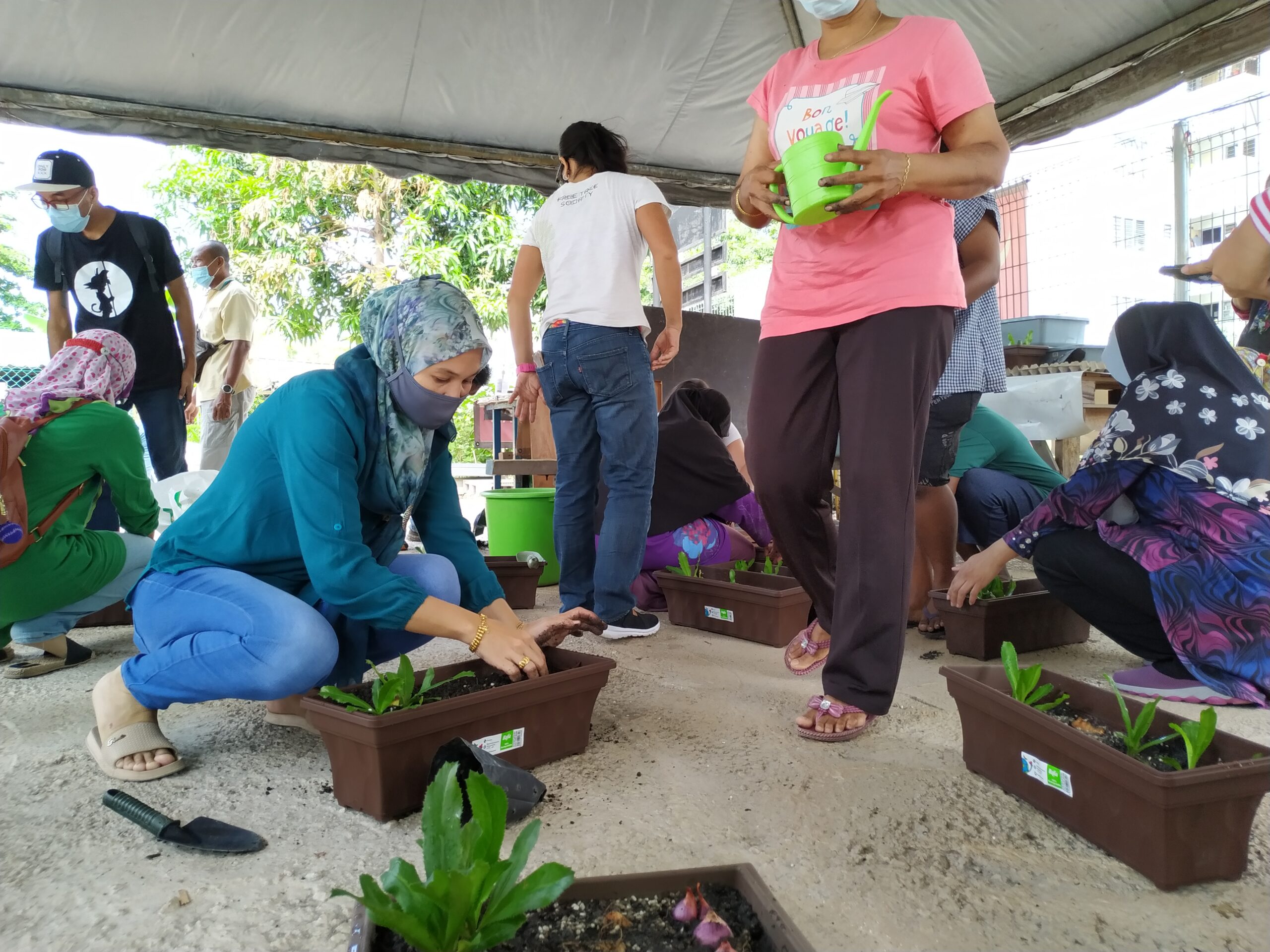
Edible garden workshop
By Free Tree Society
Communal gardens have proven to be positive outlets for mental stress relief by encouraging participants to work together and reap delicious rewards. Participants aged 18 and above learnt the science of planting edible plants and went home with pots of their own to harvest later.
Badminton training
By J8 Autism Athletics, with Adab Youth Garage
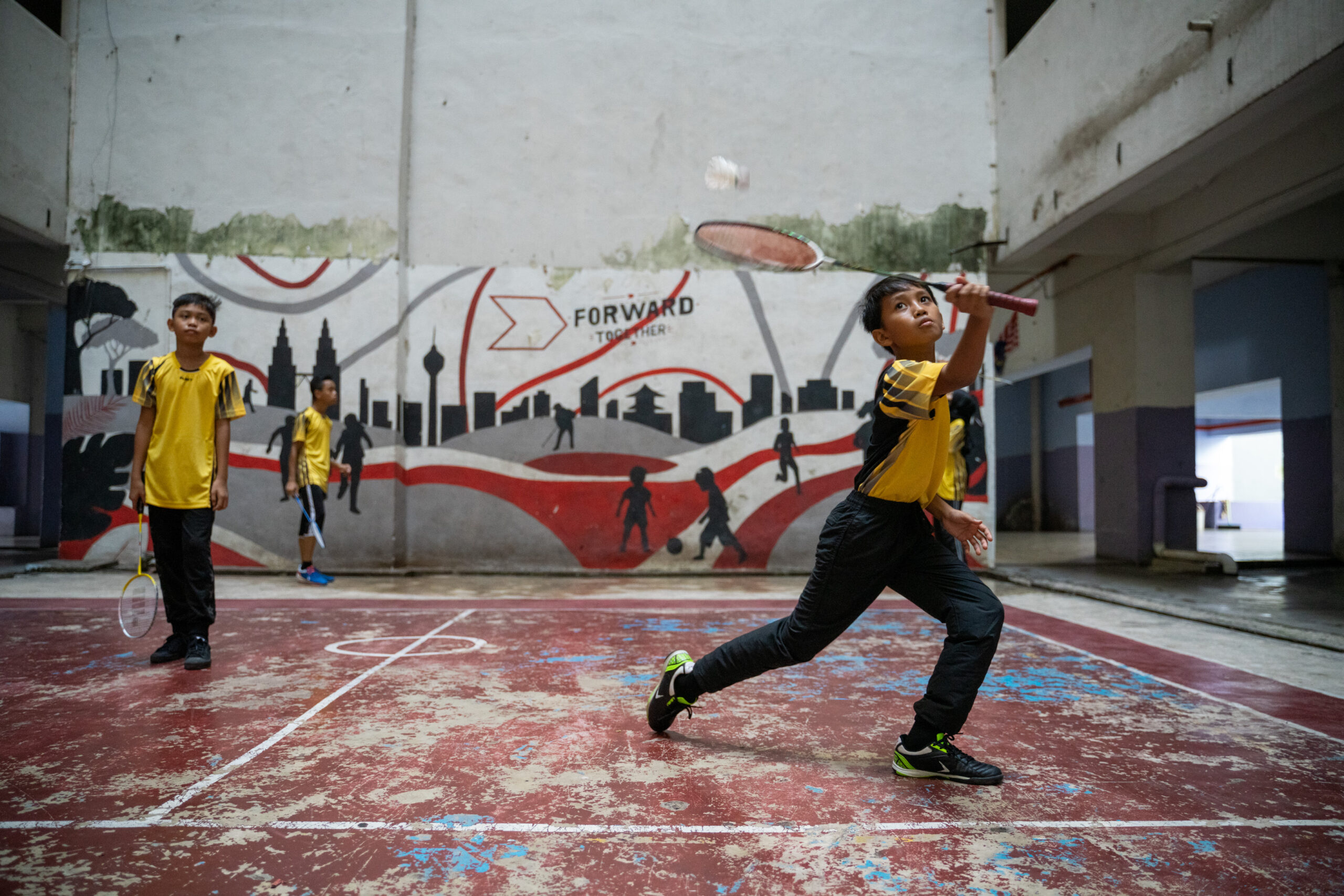
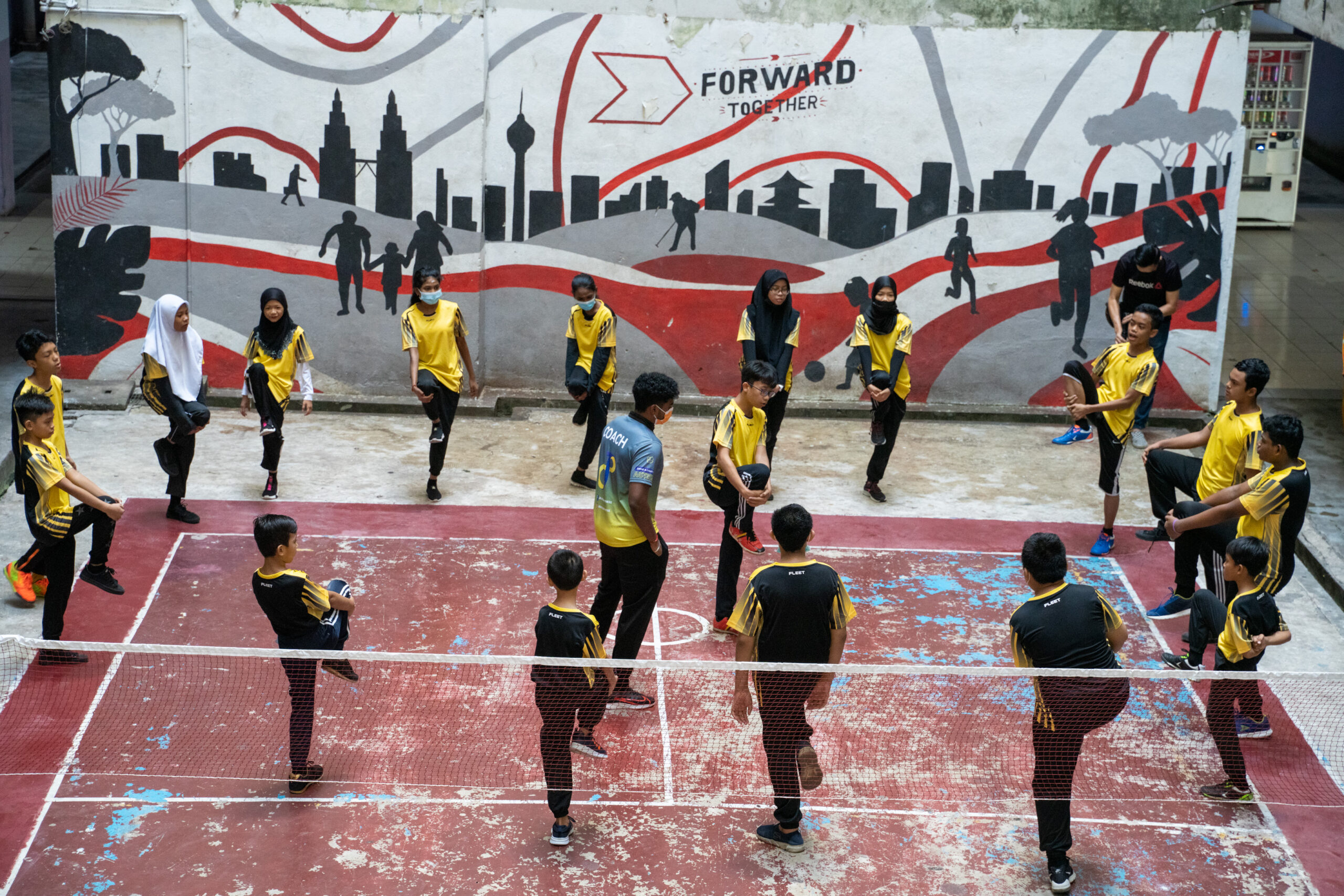
Team sports increase self-esteem and build strong relationships between those who participate. Badminton allowed youths, who were strangers, to build new friendships while following COVID-19 SOPs. Badminton training happens weekly. Once a month, trainees hold their training at a court inside the PPR courtyard. At the end of the project, a badminton tournament was held to celebrate individual and team achievements.
The training is run by J8 Autism Athletics, collaboratively managed with Adab Youth Garage, a local NGO that works with the youths.
Photography workshop
By Canon Malaysia
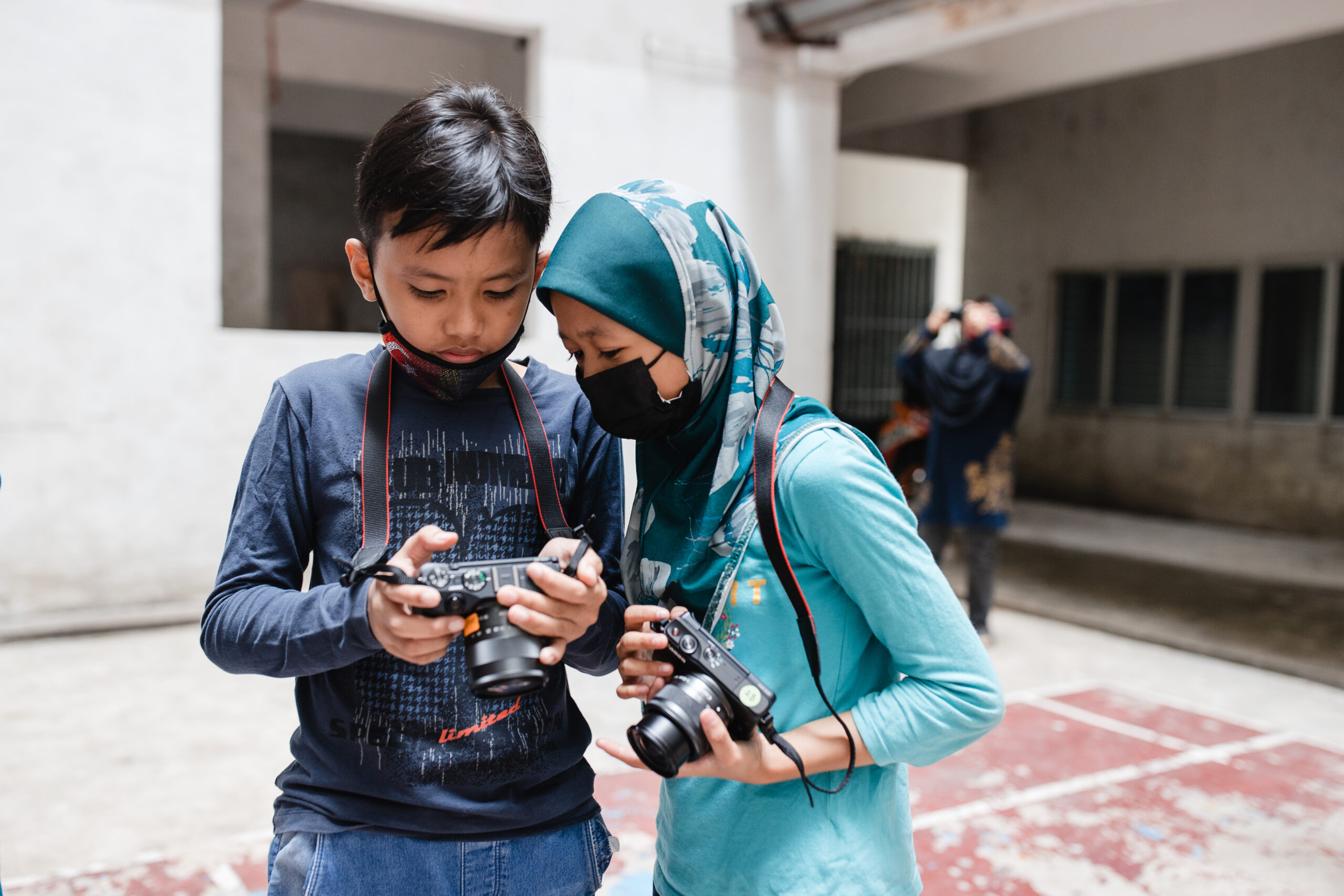
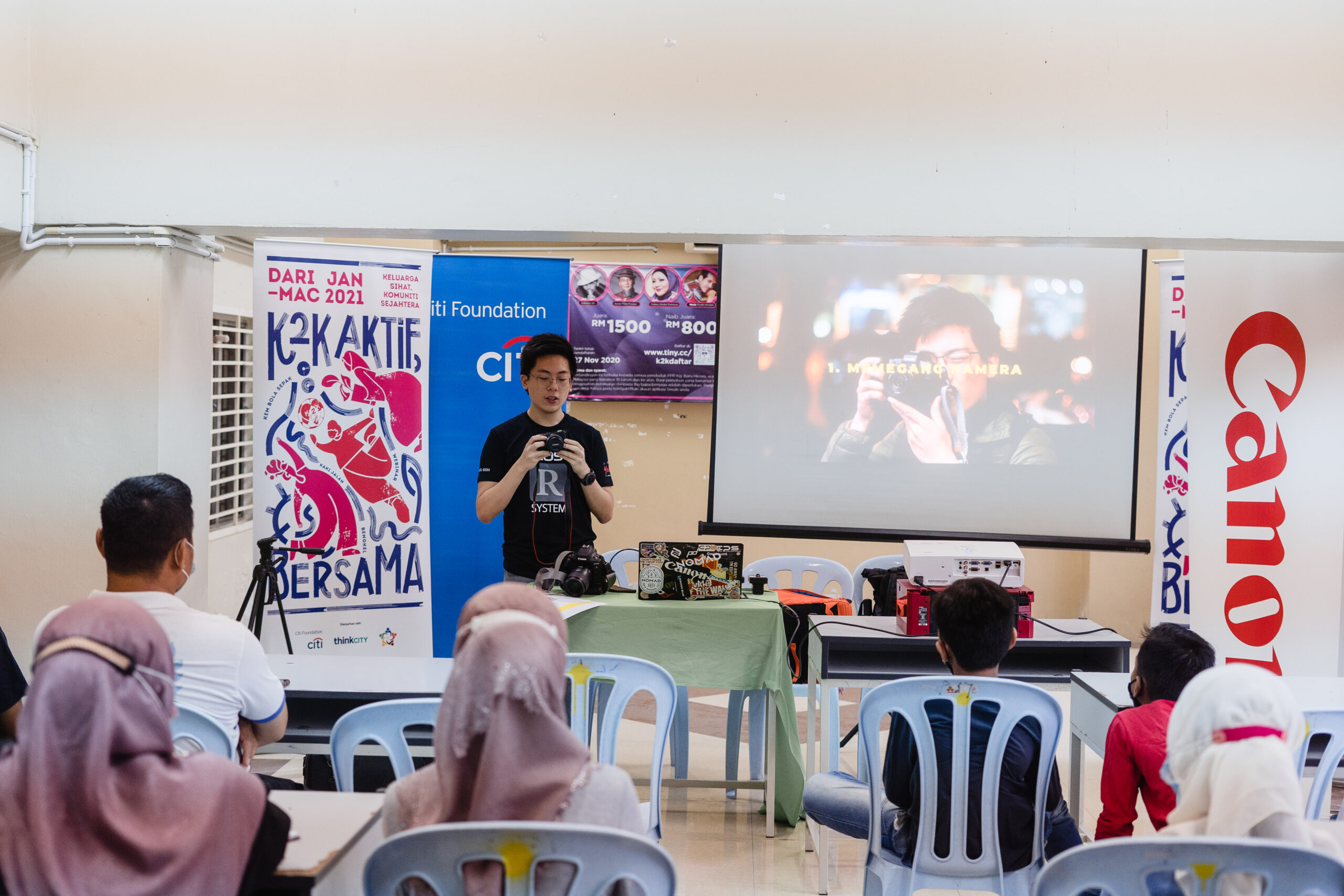
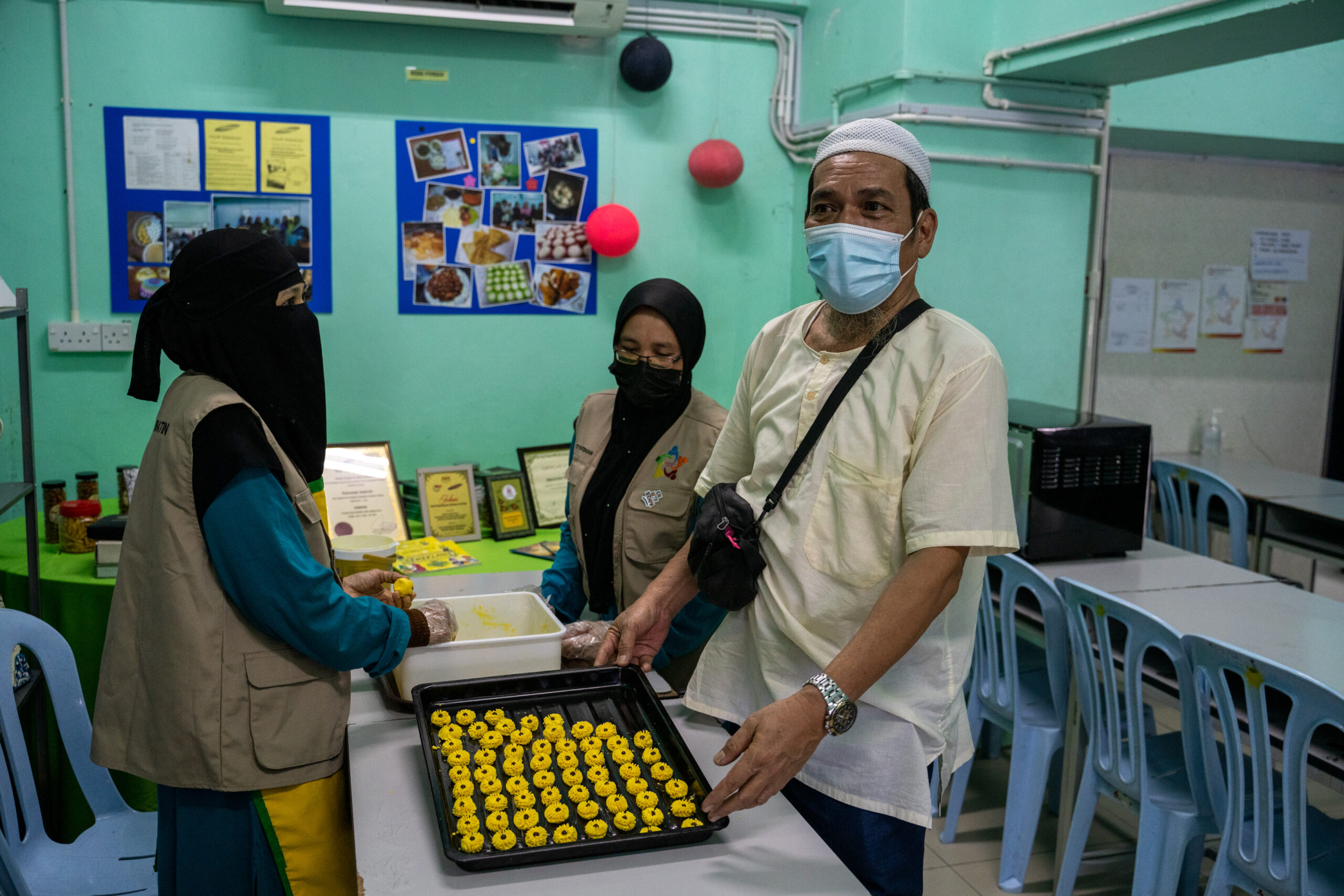
Creativity is fundamental to building positive and open minds. Photography was also a great way to capture the everyday lives of residents in this public housing estate. Participants ranging from children to adults learnt photography techniques. The cameras were loaned by Canon Malaysia for practice purposes. Every participant went home with one printed photo of their choice, sponsored by Canon.
Grant writing workshop
By NGOHub
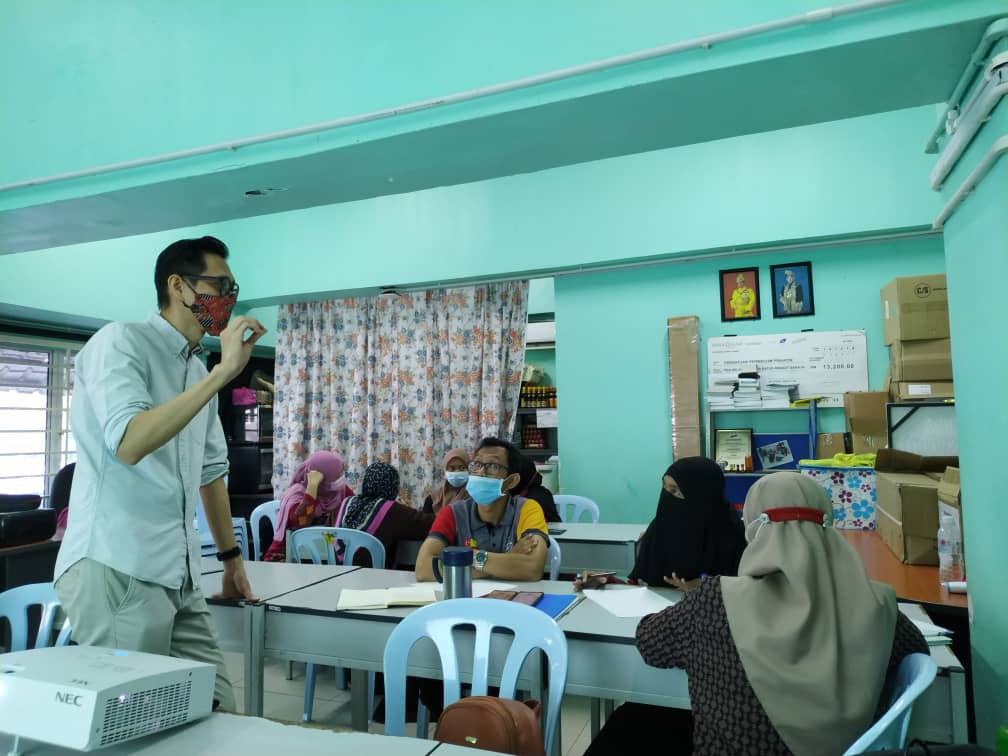
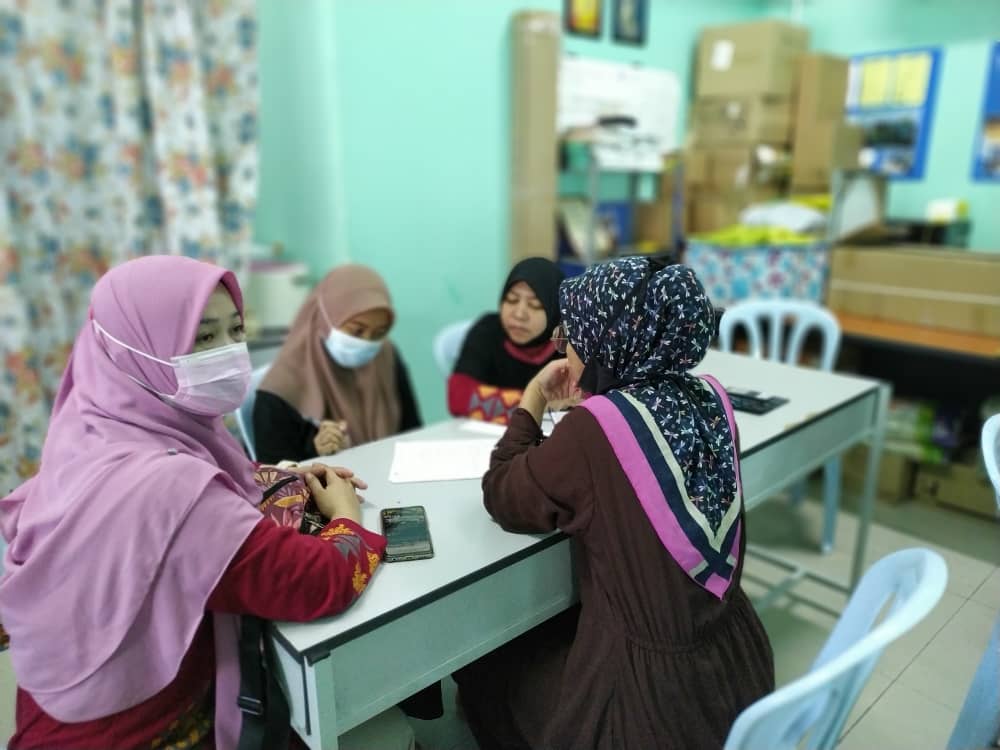
Empowering the community to be self-reliant and participatory in organising programmes ensures that initiatives are relevant and sustainable in the long term. To build their capacity for sourcing funds to keep programmes running, NGOHub was invited to teach the art of proposals and elevator pitches to participants from various local community-based organisations.
Drawing competition
With Adab Youth GarageA drawing competition for participants of all ages was conducted to capture life at PPR HICOM in a visual manner, with voices from the community. The competition concluded with an art exhibition on Hari K2K. The themes for the competition were:
1 – Life at PPR HICOM since Covid-19
2 – Walking Group
3 – “What would you change at PPR HICOM do if you had a million ringgit?”
Hari K2K
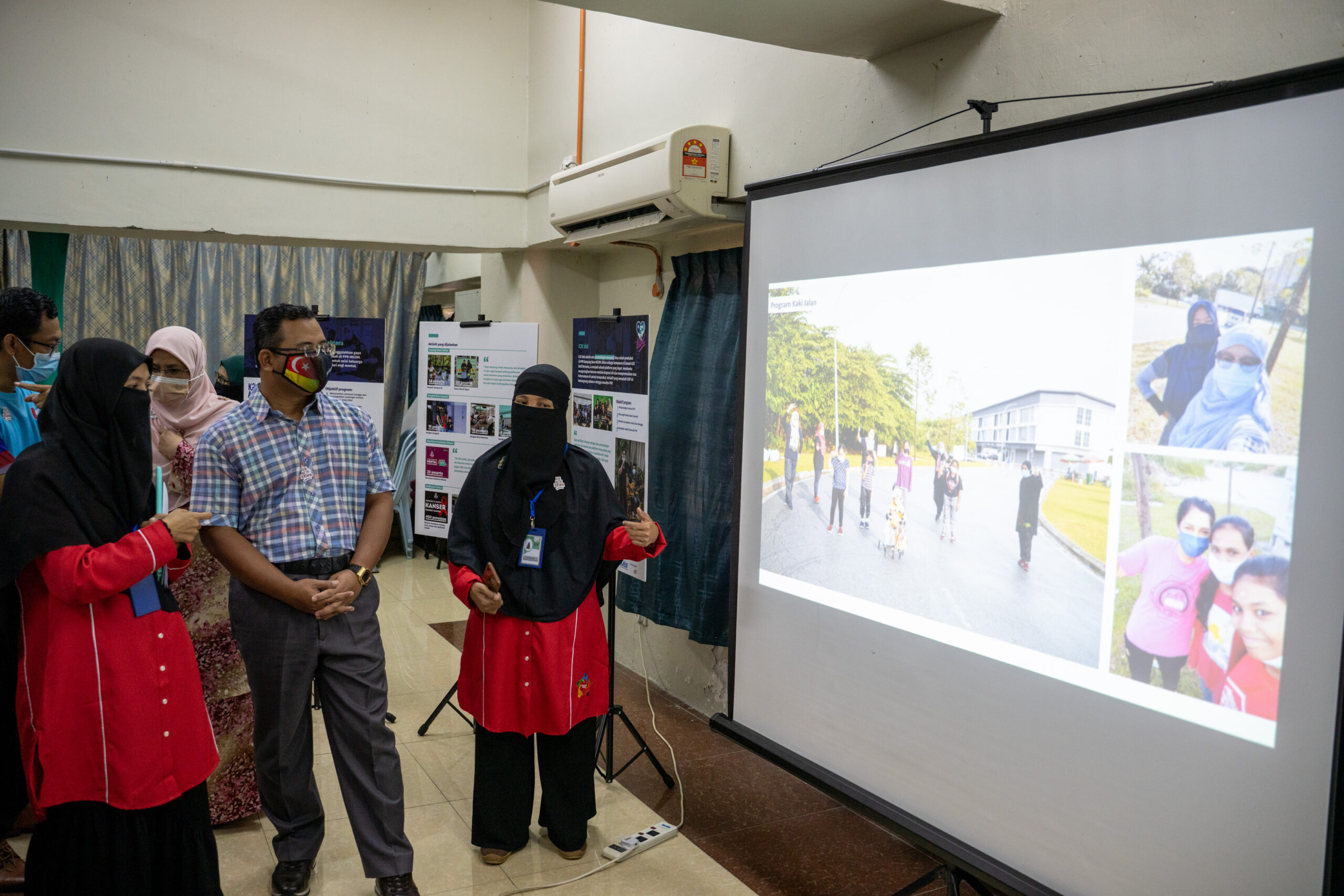
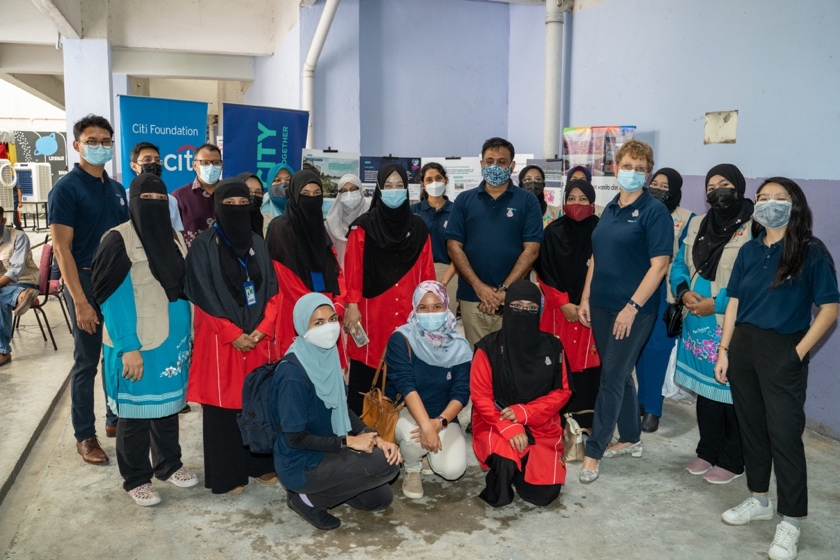
At the end of K2K Aktif Bersama project at PPR Kampung Baru HICOM, a Hari K2K was held. The purpose was to celebrate all achievements under the K2K programme and to celebrate the completion of K2K Aktif Bersama. The event had a special guest, the Selangor Menteri Besar (the State’s Chief Minister) Yang Amat Berhormat Dato’ Seri Amirudin bin Shari. The event was community-driven with local facilitators leading the walkabout. It demonstrated how community confidence had increased and more residents had been empowered since the K2K Aktif Bersama project began.
Project Outcomes
K2K Aktif Bersama’s reach and impact was evaluated through data collected from the project’s social media (Facebook and WhatsApp), as well as pre- and post-project surveys that were distributed to residents of PPR Kampung Baru HICOM.
The pre-survey of 146 Walking Group participants showed that:
- Participants of Aktif Bersama were predominantly Malay and female, which corresponds with the overall PPR HICOM population.
- Most participants (69.9%) learned about the activities through WhatsApp, followed by word of mouth (27.4%), poster and bunting (25.3%) and lastly Facebook (10.3%).
- Prior to Aktif Bersama, 70.5% participants had been walking/exercising for at least 30 minutes once a week, and 19.9% did it at least once a month.
- When it came to stress levels, 43.8% reported that they were at least a little stressed, while 51.4% were not stressed at all.
It is likely that more women participated in the Walking Group activities as women in this community tend to be homemakers who care for a family’s health. Furthermore, the marketing materials were designed to appeal to women. Generally, women are more likely to lead by example and are more engaged in community-based associations. Most men who joined the Walking Groups were with their families.
The post-project survey captured answers from 25 participants of the K2K Aktif Bersama project, including four who were not part of the Walking Group. Below are the outcomes:
- All respondents reported that the Aktif Bersama project helped them relieve stress.
- All respondents who participated in the Walking Groups reported that they would continue Walking Groups even after the campaign ended.

- Social cohesion among the community seemed to have improved as 92% of respondents reported that they have a better relationship with their neighbours, while 76% of respondents had interacted with more than 7 new people as a result of Aktif Bersama.
- When asked about their motivation and favourite thing about walking, participants mentioned making new friends, keeping healthy, de-stressing and winning prizes.
Among the 25 participants, a comparison could be made for a subset of 21 participants who have answered both pre- and post-project surveys. The key findings are as follows:
- Almost half of participants (47.6%) increased the frequency of their physical activity, whereas 28.6% decreased and 23.8% reported no change.
- In terms of changes in stress level, 38.1% reported reduction in stress, whereas 61.9% reported no changes.

The project also started with 15 Walk Leaders who were recruited to facilitate the activity on a voluntary basis. At the end of the project, our on-site community partner reported that 10 Walk Leaders remained active. This was mainly attributed to the fact that the Walk Leaders with younger children had to begin focusing on their children’s online learning once school holidays ended.
This small sample shows the potential of the project in terms of healthier living habits and improved social cohesion within the community. A longer-term project without pandemic related movement restrictions might have had more participants.
Going forward, it would be important to see if these lifestyle changes are sustained. Some residents reported that they would try to actively continue the Walking Group. When a follow up observation was done a month after the campaign, walking groups had slowed down to a halt due to the rising cases of COVID-19 and subsequent lockdown restrictions.
Project Learnings
On Walking Groups
- Apart from the fact that Walking Groups are a free and easy form of physical activity, some residents had already been practicing some form of it before the campaign. Thus, it was an activity that was easy to promote and get residents to volunteer as Walk Leaders.
- Many neighbourhoods do not have safe walking paths. This creates a strong barrier to walking, even when motivation is high. Other barriers are roaming dogs and safety concerns. For instance, the route for PPR Kampung Baru HICOM looked ideal on paper, but in reality there were large vehicles passing through and missing manhole covers that added to the safety issues.
- Walk leaders should be as diverse as possible —in terms of age, gender and ethnicity— to attract wide range of demographics of participants.
- Walkers’ attendance should be recorded digitally with an online form as that would allow organisers to have a live update at all times. However, a physical stamp book is a visually effective tool to incentivise walking as it helps the participants keep track as well.
On Mental Health Awareness Programmes
- Mental health is not a topic often discussed openly as there is a high level of stigma attached. This resulted in lower-than-expected attendance at related individual sessions, workshops and talks. When introducing mental health awareness programmes, we would consider the following approaches for future initiatives:
- Conduct an open day to promote the programmes and answer questions to address the stigma on the topic of mental health.
- Craft programmes that are angled from a family’s perspective, i.e. parenting tips, to make them less intimidating.
- Start with group programmes before zoning in on individual consultations to provide a more supportive experience.
On Health Information Content and Delivery
- Lack of health and disease knowledge becomes a priority when community members themselves, or their family members are affected. Those who are survivors of stroke and cancer indicated that the webinars were useful for them and to share with the community.
- Videos should be shorter, around one minute, to capture the short attention span of audience these days.
- More posters need to be created with comprehensive, bite-sized information to create a culture of learning.
- Videos should be subtitled for broader reach and accessibility.
On Workshops
- Some workshops (such as the composting, waste workshop and edible garden workshop) have the potential to create systemic change, it would be good to explore opportunities with the building management for longer lasting impact.
- Always do a rehearsal to pre-empt technical difficulties.
- Always have buffer time and pre-workshop reminders to anticipate latecomers.
- Certain workshops such as goal-setting workshop with youths and active listening for adults work best in-person when interaction can go both ways.
- Conducting workshops online also run the risk of poor participation considering poor internet connectivity.
On Digital Presence
- Leverage on existing platforms by the community as much as possible — where there is none, consider empowering the residents to create their own online community.
- Posts with content that are more personalised and familiar to the residents tend to perform better. Examples include lucky draw videos that feature the residents.
- Video content can and should be re-shared over the course of a campaign to maximise the reach and engagement.
Overall Project Management
- An ‘Open Day’ to introduce the project and answer any questions is crucial for community engagement — if Covid-19 related restrictions do not allow this, then virtual sessions could be considered as a viable alternative.
- Community feels more comfortable interacting with the organiser and other residents in WhatsApp groups. Facebook groups may not be suitable anymore as not all residents are active Facebook users, thus counterintuitive to the goal of using the platform.
- Word-of-mouth is the most effective way of getting word around about the project, so it helps to have many champions within the community who can be engaged right from the start.
- When the pandemic poses less of a restriction, it would help to do door-to-door in-person engagement and flyer distributions.
- Building management can be another effective channel to support the project.
Project Communication
Communication with the community is an important strategy to ensure the project’s success through outreach. Various channels were utilised for that purpose, including social media platforms, physical collaterals on-site and a community partner on-site.
On-site collaterals and community partner
Posters and banners were printed and displayed at high traffic communal areas in all blocks of the public housing project. This was complemented by a strong community partner with members who would spread the word about the project.
Community WhatsApp Groups
It is also the choice of communication channel for residents at PPR HICOM. Two separate WhatsApp groups were set up to get live feedback and have discussions with the community throughout the project. The first, was for the Walking Group leaders who facilitated the daily walking activity. The second, was a larger group that facilitated live updates and photo sharing for all residents participating in the Aktif Bersama Walking Group.
These online groups allowed residents, who have previously never interacted with each other, connect for a common goal of physical health through Walking Groups.
Facebook Page
A Facebook page was also set up to be a platform for the dissemination of information to the wider community to promote upcoming activities, upload webinars and provide infographics that tackled health literacy. The page was also used to conduct livestreams of the Walking Group’s weekly lucky draw sessions. These videos often garnered a high number of views.
Facebook Group
A closed Facebook Group, that garnered up to 74 members, was initially set up to be a private platform for live interactions with the community. However, the project soon pivoted to WhatsApp groups when it was observed that most of the community members preferred that mode of communication.
Conclusion
The project started off with the aim of bringing a community together through joint health action. The need for this initiative became more pertinent when the COVID-19 crisis hit and brought to light many underlying issues marginalised communities were already facing. It became apparent that initiatives that could empower communities to be more resilient were more necessary than ever.
Even though many of the activities were initially planned to be conducted in person, Think City had to adapt to COVID-19 restrictions, and curate the project components in a way that they could be done face-to-face but through online platforms, or in a hybrid manner. The key ingredient that made all of this work was the active role of a strong on-site community partner. As external organisers, we can only facilitate initiatives and the stronger the partnership with the community, joint planning and participation in project management, the more likely the project will be relevant to the community, have greater reach and is more sustainable once external parties leave.
K2K Aktif Bersama managed to engage approximately 250 residents (about 6.25% of the population) at PPR Kampung Baru HICOM. The initiative has opened many opportunities for the community, strengthened camaraderie between neighbours, and improved health and awareness for a healthy lifestyle. The healthy activities such as Walking Groups and badminton practices that were facilitated by Aktif Bersama should continue even after the initiative, as residents are now equipped with knowledge on safe walking routes, access to badminton equipment, as well as capacity built to source for more funding.
The learnings from K2K Aktif Bersama have also been translated into a toolkit that can be used to replicate the initiative at other neighbourhoods, making it accessible for all who seek to improve community well-being and resilience.
Resources
Aktif Bersama Toolkit
The toolkit is designed to help communities organise well-being initiatives within various community settings. It guides users on how to plan, execute, and evaluate their social programme. It begins with a needs analysis, followed by stakeholder engagement, how to communicate to stakeholders, and finally an impact assessment. Toolkits are available in English and Bahasa Malaysia.
View English Toolkit
View Bahasa Toolkit
Social media platforms
Facebook page: K2K Aktif Bersama
Facebook group: K2K Aktif Bersama
Social media posts
K2K Aktif Bersama | Think City & Citi Foundation video
August 18, 2021 | World Humanitarian Day
May 20, 2021 | The Citymaker article “Staying Aktif with K2K” update
May 11, 2021 | K2K Aktif Bersama: Think City & Citi Foundation video
May 5, 2021 | Hari K2K article update
April 26, 2021 | Hari K2K post-event update
April 17, 2021 | Hari K2K event live update
April 2, 2021 | Reflexive City podcast “A pioneering walk in the city: Aktif Bersama” update
March 22, 2021 | The Citymaker article “Powerful Outcomes From Active Listening” update
April 19, 2021 | Perumahan Dan Hartanah Selangor Sdn Bhd (PHSSB) post on Hari K2K
May 5, 2021 | The Citymaker article “Hari K2K: Foundations For A Better Future” update
May 11, 2021 | K2K Aktif Bersama: Think City & Citi Foundation video
May 20, 2021 | The Citymaker article “Staying Aktif with K2K” update
Articles
February 12, 2021 | The Citymaker | Powerful outcomes from Active Listening
March 30, 2021 | The Citymaker | A pioneering walk in the city: Aktif Bersama
May 07, 2021 | The Citymaker | Staying aktif with K2K
April 23, 2021 | The Citymaker | Hari K2K: Foundations for a better future
April 17, 2021 | SelangorKini | K2K tingkat kualiti, taraf hidup penghuni PPR
April 18, 2021 | SelangorKini | Selangor rancang perluas aplikasi K2K di PPR, flat kos rendah
April 23, 2021 | The Star | PPR residents get familiar with digital marketing
