
The Covid-19 pandemic has altered traditional chalk-and-board education. While this change has rightly led to concerns on how education is imparted to children with varying access and resources, a growing concern has been on how this pandemic has also impacted children’s mental health. To further investigate this, Rights to the City, a programme supported by Citi Foundation, conducted a Roundtable Discussion entitled, “Education, Interrupted – Supporting Mental Health for School Children at PPR” on 5 April 2022. Mental health experts, researchers, and on-ground NGOs who joined the session shared the need to support the mental health of school-going children at PPRs from community-led initiatives to better political advocacy. Overall, there was a broad consensus on the following key issues:

Key Issues
- The state of mental health among children residing in PPRs is related to the ecosystem they reside in. This is especially related to how the built environment is designed. It limits access to space and the existing socio-economic challenges such as income, access and education.
- The impact of the pandemic resulted in the loss of family members and livelihoods. It left children without a safe, trusted and supportive avenue to reflect and make sense of the lived experience.
- Children’s growth and development, such as focusing on building confidence and self-esteem, should be a top priority by the community and government, ensuring positive progression into young adulthood.
- While various organisations have worked with limited resources to address some of the challenges children face in PPRs, stakeholders need to mobilise collectively with support from the government to ensure that interventions (whether prevention or mitigation) can be more holistic and sustainable.
The Roundtable also identified mitigation steps and interventions to address children’s mental health in public housing. Below are some recommendations:
Immediate and short-term

- To empower the community for early detection of issues related to mental health. Imparting skills related to detecting early symptoms for community representatives within the PPR could help ensure access to the early intervention by healthcare professionals. This could be done through training non-mental health experts with verified modules and accessible assessment tools.
- To introduce and familiarise issues related to mental health by incorporating them in existing workshops and activities targeted at children, including introducing access to personalised coaching. Mainstreaming and creating early awareness of mental health in a challenging environment can help with timely intervention.
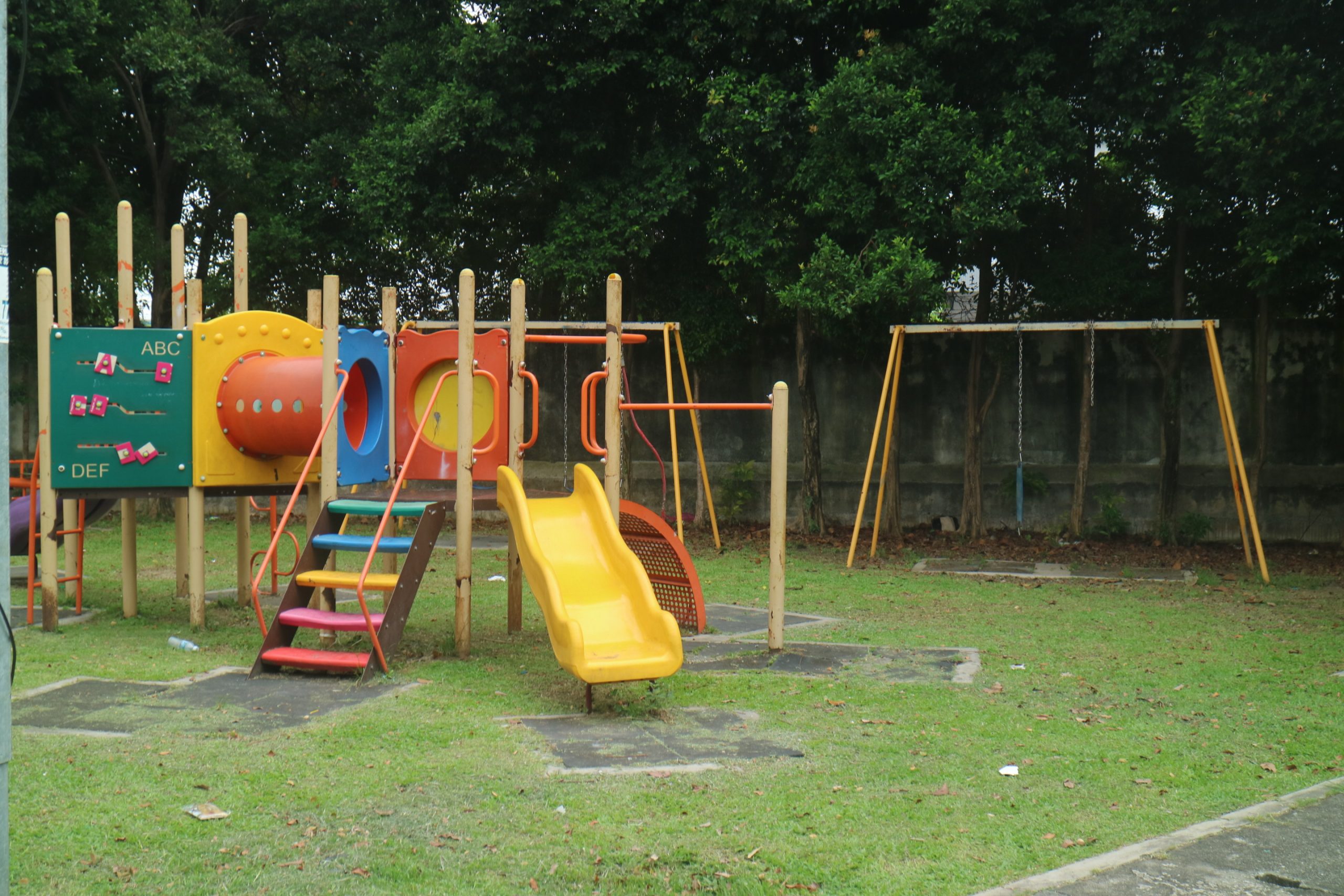
- To ensure a safe and comfortable provision of public spaces within the PPR complex for children, accommodating physical and social activities. This can help improve mental health and overall well-being, considering their existing units’ confined spaces.

Medium-long term

- To conduct a deeper analytical assessment using existing baseline by various studies in identifying the correlation between overall well-being and spatial planning of PPR residents. The result of this assessment should inform policymakers on how the built environment affects liveability, specifically the mental health well-being of the community.
- To invest in an on-site social worker to assist empowered PPR community representatives with managing mental health issues, supporting families with children experiencing mental health issues, and providing guidance to the community.
- To ascertain the mental health cost that could impact future resources and spending by the government in alleviating mental health issues. Understanding this unintended cost could help with ensuring the right resources are allocated to prevention and alleviation.

Acknowledgement
We would like to convey our gratitude to the participants who attended the closed-door roundtable, thus presenting the opportunity for us to submit these findings for consideration.
