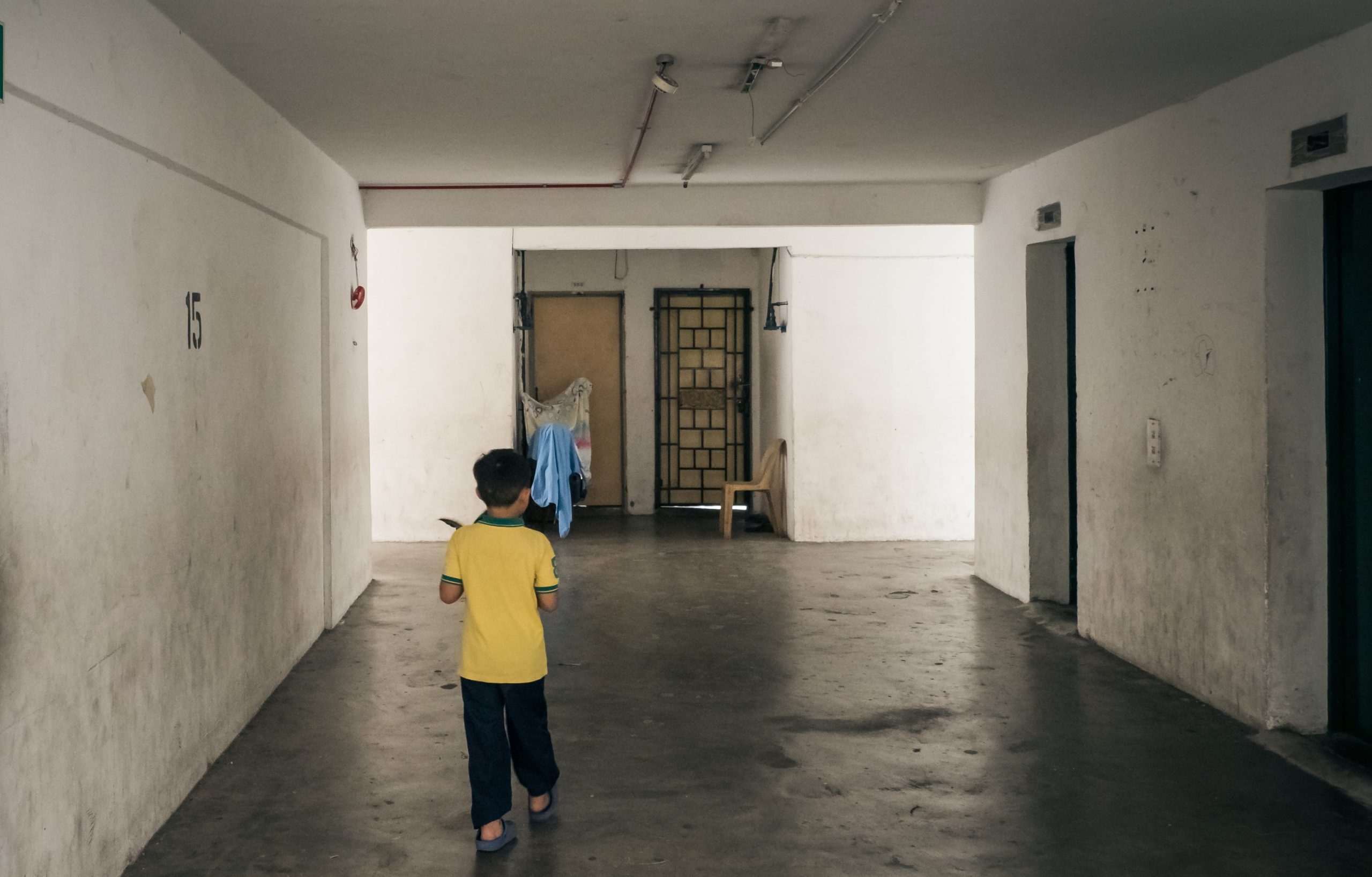
 Whilst there are plenty of nutritional tips, advice and campaigns to improve health for everyone, barriers to accessing nutritious food remains a challenge for some. For example, a study by UNICEF Malaysia in 2018 found that 12% of children living in low-cost housing eat less than three meals a day. In addition, the movement control order instituted to curb the COVID-19 pandemic has further exacerbated these barriers. Consequently, the Minister of Health set up a bipartisan task force to address child stunting at the national level. On the ground, various organisations including Think City, have attempted pockets of interventions to improve access to nutritious food by providing healthy food baskets and nutritional campaigns in public housing. While these interventions have shown some promise, a holistic approach to addressing child malnutrition is paramount to reversing the decline.
Rights to the City, a programme supported by Citi Foundation conducted a Roundtable Discussion on “Malaysia’s Malnourished Children: Exploring Place-Based Solutions in PPR Communities” on the 28th of April 2022. For this session, the focus is narrowed down to the children of public housing communities and how this phenomenon is manifested within these communities. It looked at the impact on their quality of life, followed by exploring place-based approaches to halt any further decline and how collective effort could help eliminate the issue were also shared.
Overall, there was a broad consensus on the following key issues:

Key Issues
- The pandemic has impacted PPR communities in many ways, including loss of income. This leads to food insecurity, affecting household buying patterns and healthy food intake.
- Good and reliable de-aggregated data to identify intervention targets is crucial as the available data is insufficient.
- There is a need to recognise that intervention strategies are not a duty of only one organisation; rather, it is a collective responsibility with the opportunity for utilising multidisciplinary expertise.
- The acknowledgement of “time poverty” that exists within lower-income communities can help to understand their predicaments better. This ensures that the focus is not solely on behavioural changes but also on encouraging systemic change to re-orient the current situation.
The Roundtable Discussion has also identified mitigation steps and interventions to address children’s malnutrition in public housing. The recommendations are shown below:
Immediate and short-term

- To introduce and involve the communities and volunteers in programmes at the earlier phase – especially in the design phase to foster ownership among them. This is also to ensure that the programme is not a one-off but runs continuously and sustainably. The community’s wants and needs must be understood, as designing a programme that the participants could engage in is crucial.
- To increase knowledge, capacity and skills on healthy eating and prevention of non-communicable diseases through a hybrid approach in bridging the “know-do” gap among communities. This can be done through community health volunteers (CHV) training such as workshops so that the volunteers equipped with the knowledge can advocate or promote nutrition for the community in the area.
- To implement synchronous and asynchronous learning that is interactive and semi-structured in conducting capacity building. The strong relationship built with CHV can sustain the engagement in a long run. When CHVs are equipped with adequate knowledge and skills, they will be more motivated and confident of improving themselves and making changes to the community.
- To collaborate and engage with local grocery stores and food vendors to supply nutritious food as some communities find difficulty in procuring affordable and healthy food in their areas. Nutritionists can play a role with the food vendors in the preparation of healthier food for the community. The knowledge and nutrition education through the committee members can drive the uptake of modified and realistically healthier menus.
Medium-long term

- To investigate extrinsic incentives (rewards) and intrinsic incentives such as enjoyment to trigger a behavioural change in the community. Extrinsic incentives help in the initial adoption of a programme, while intrinsic incentives can sustain the community’s engagement.
- To introduce a gamified community health model to increase the adoption of digital health solutions among the B40 communities. This can be done by providing workshops to the community to improve their health literacy, reward points to motivate them, and financial incentives. However, it is essential to have digital ambassadors who are familiar with the B40 community on promoting the health solution as they have the community’s trust. The design of the digital platform used must also be community-centred so that the community is comfortable with it.
- To have proper documentation by adopting some research methodologies such as the implementation size research method, insights on existing data and gaps in knowledge. This can help future strategies, with the potential for modifications and scalability.
- Plan the built environment for health outcomes instead of the traditional development outcomes. Introducing a framework that focuses on health-led infrastructure could be the starting point, such as overcoming obesity through public transportation planning, supplemented by social services, facilities and infrastructure that encourage healthy citizenry.
Acknowledgement
We would like to convey our gratitude to the participants who attended the closed-door roundtable, thus presenting the opportunity for us to submit these findings for consideration.
