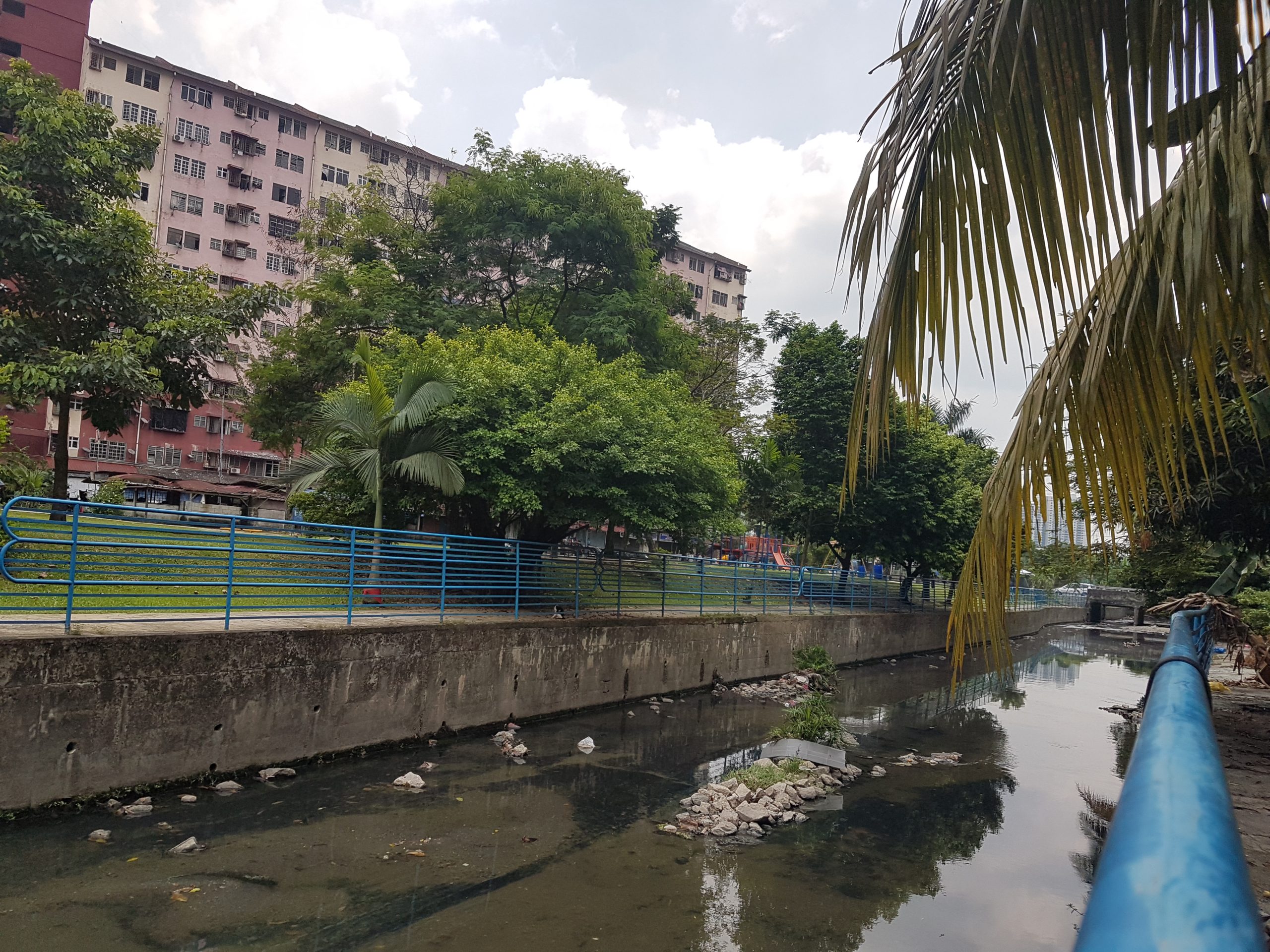
 In the past year, Malaysia has seen several weather occurrences leading to floods, landslides, food insecurity, and avoidable deaths. In cities, the public housing (PPR) community has not been spared. From limited mobility and destruction of property caused by flooding, to the burden of higher electricity bills with increased demand for additional cooling in alleviating higher temperatures, their lived experiences are a cause of concern. Therefore, the Rights To The City programme supported by Citi Foundation conducted a Roundtable Discussion on the impact of climate change on PPR communities on 9 June 2022. This roundtable discussed climate change and its impact on marginalised communities, including children and provided recommendations for action. Discussion areas included the need for cross-sector partnerships for sustainable change, community-sensitive environmental monitoring and evaluation systems for PPRs, climate-smart education and community involvement in policymaking. Generally, there was a broad consensus on the key issues listed below:

Key Issues
- Marginalised communities, particularly children and youths, are most affected by climate change. They are physically and physiologically more vulnerable compared to adults as well as prone to diseases and environmental pollution.
- Sustainable and safer housing policies are needed considering housing is a key component in sustainable disaster recovery efforts.
- B40 communities or underserved communities are affected by climate change and environmental impacts in terms of the urban environment such as flooding that causes them to lose their home; health and safety; as well as other socioeconomic burdens such as income and food stability.
- Some people residing within PPR communities are undocumented which causes problems in terms of understanding socio-economic background. Therefore, an examination of this situation can help improve the way that they can participate in society better whilst addressing their needs.
- The limitations faced when conducting case studies with vulnerable communities include data availability, data veracity and obtaining consent from guardians if minors are involved.
The Roundtable Discussion has also identified mitigation steps and interventions to address the impact of climate change on PPR communities. The recommendations are as follows:
Immediate and short-term

- To introduce climate-smart education and awareness in schools through existing lessons, with teachers supported and trained appropriately.
- To educate the older generation on the issues surrounding climate change and its impact through relatable content and approaches.
- To utilise digital platforms and social media for engagement with the society at large with the potential of identifying a public figure or key opinion leaders (KOL) to spread awareness.
- To advocate for children and vulnerable groups through involving them participate in policy processes. At the community and policymaking levels, children and vulnerable groups should always be at the heart of the mitigation strategies. Next, make use of digital platforms and social media such as Twitter and Instagram for engagement with civil societies and other advocators.
Medium-long term

- To conduct in-depth research and development towards child-centric guidelines, alternative education modalities, training, regular monitoring and evaluation mechanisms relating to climate change.
- To address the synergy and improve coordination between various levels of government and agencies that shoulder the responsibility of addressing the impact of climate change.
- To continue promoting public-private partnerships through corporate social responsibility programmes or other means of collaboration to improve awareness building at every level of society and age group.
- To improve planning guidelines for low-cost to medium-cost housing, ensuring they are safe and resilient to heat and rain.
- To advocate for the rights of children and vulnerable groups in policymaking process by focusing on children and vulnerable groups in mitigation strategies.
Acknowledgement
We would like to convey our gratitude to participants who attended the closed-door roundtable, thus presenting the opportunity for us to submit these findings for consideration.
