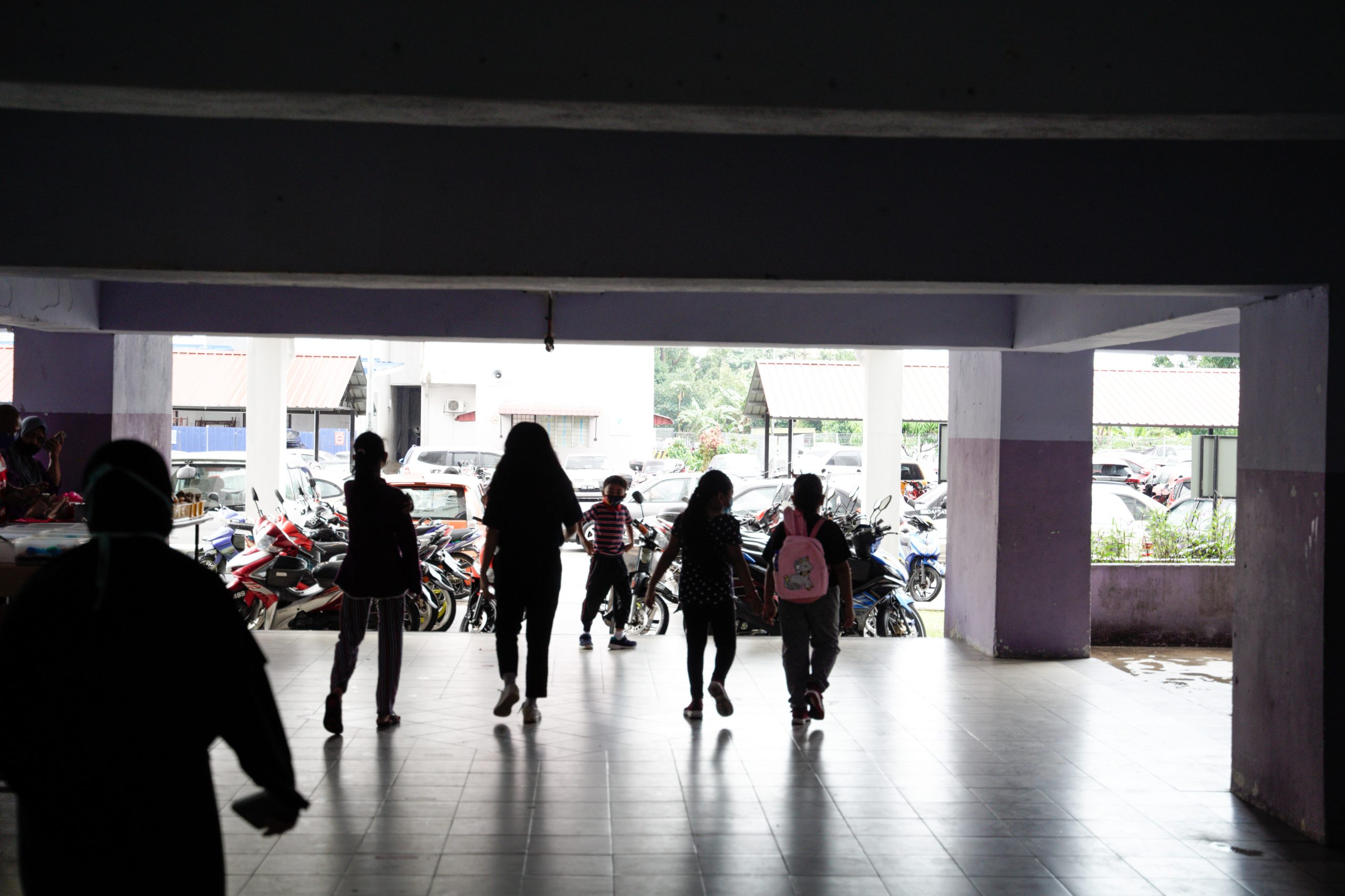
 Public housing has been part and parcel of Malaysian development since its independence in 1957. While Malaysia’s public housing programmes can be seen as a success story of squatter resettlement and housing the poor, it is becoming unsustainable in the pursuit to improve the lives of the residents. Some of the issues faced by the public housing residents include feeling unsafe in their homes, poor livelihood and living standards, deterioration of health and quality of life, no sense of community and substandard management of their housing complexes. There is an urgent need to strengthen the human dimension of public housing. In this Rights To The City Roundtable discussion, Think City’s recommendations for improved liveability in public housing were presented. The session explored issues and challenges in Malaysian public housing and obtained feedback from the participants based on the recommendations outlined.
This roundtable, held on 30 June 2022, discussed the liveability in public housing. Various partnerships are working towards making public housing into public homes for all. Issues and recommendations for action are also discussed in this roundtable. Generally, there was a broad consensus on the key issues listed below:

Key Issues
- Covid-19 impacted existing issues faced by public housing residents such as safety, quality of life and sense of community. This pushed them further into a state of economic precarity, with children lagging in education and constant anxiety and stress throughout the lockdown.
- Poor housing conditions and design due to poor maintenance, the durability of construction materials and unsuitable location also hinder them from participating in a quality urban life.
- The concentration of poverty is one of the main issues surrounding public housing and this is an issue faced by other countries as well.
The Roundtable Discussion also gained feedback from the participants on the recommendations, with immediate and short-term suggestions and long-term proposals:
Immediate and short-term

- To improve social protection among public housing communities such as income support provisions as well as better access to basic needs such as education, healthcare and public transportation.
- To accelerate short-term interventions by addressing livelihood building and income recovery linked to public housing communities through programmes created by public-private partnerships (PPP) involving government agencies or community development organisations.
- To explore the creation of standardised and recognised capacity-building initiatives for existing and emerging community leaders. Access to such training should not only be limited to elected roles but also include other informal leadership roles such as youths with leadership potential
- To identify ways of improving the mental health state of the residents, especially the children and youth, and inculcating the sense of ownership of the space and community they reside in. The disassociation of space can lead to a poor sense of liveability and sense of surrounding and belonging.
- To ensure spaces in public housing are actively utilised for social cohesion purposes. This can include transforming pockets of spaces to support community activities and programmes.
Medium-long term

- To develop indicators that highlight the conditions of public housing complexes, assess the problems and identify interventions in a participatory approach among community and experts.
- To upgrade and better maintain the existing infrastructure of public housing, especially in relation to solid waste management, amenities, green spaces and play areas.
- To explore a sustainable financing model that ensures quality built and lifecycle retainability.
- To encourage more analytical work on the public housing ecosystem in Malaysia that covers programme design, financing and management.
- To introduce a body to consolidate work related to the public housing programme whereby various agencies and community-based organisations can complement each other’s roles and work.
- To ensure universal accessibility standards are adhered to as it ensures that not only persons with disabilities’ quality of life can improve but the ageing society in public housing is catered to.
Acknowledgement
We would like to convey our gratitude to participants who attended the closed-door roundtable, thus presenting the opportunity for us to submit these findings for consideration.
