Introduction
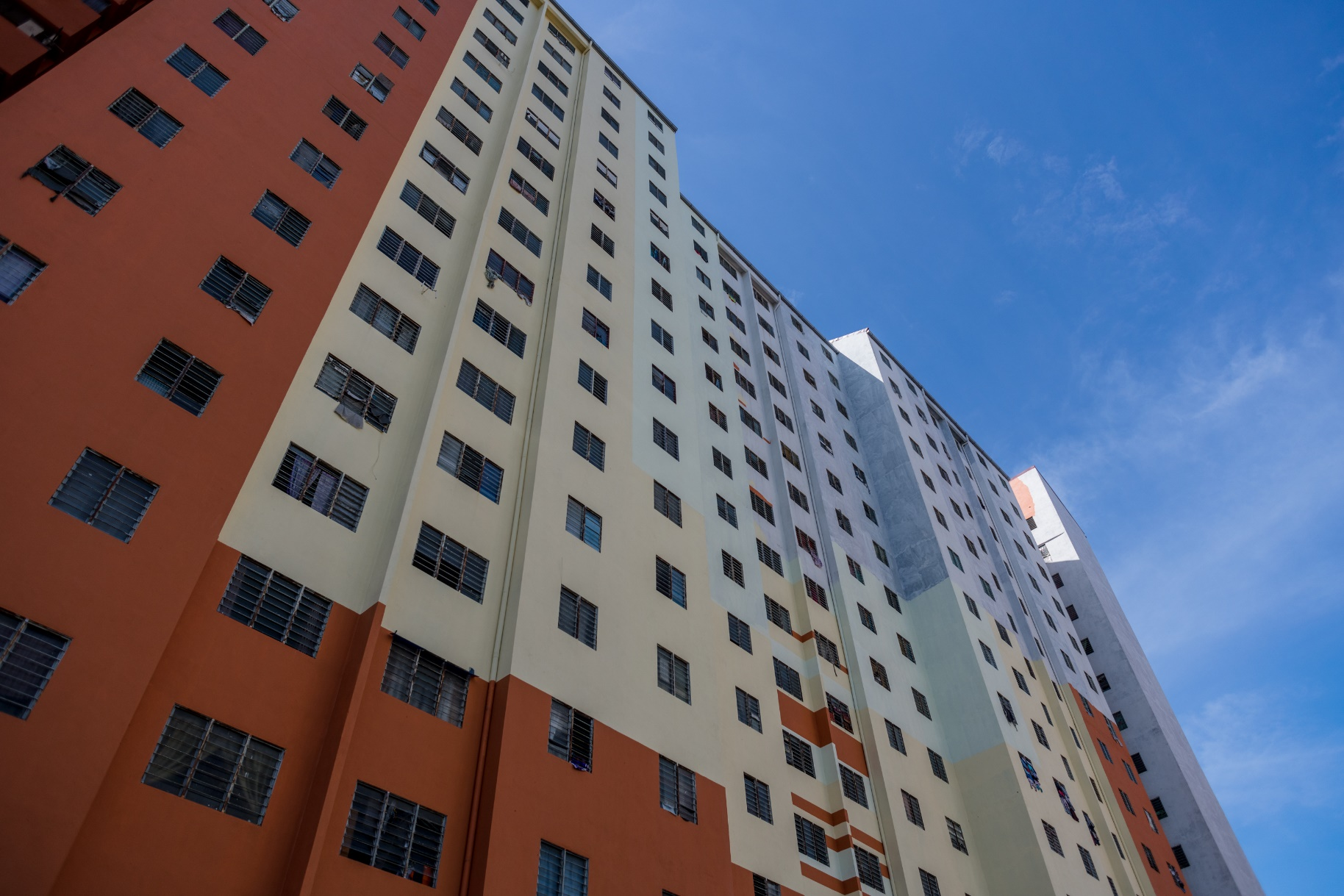
This collection of housing case studies illustrate the variety of research and interventions over a decade surrounding housing and residential community in Malaysia by Think City. Our projects span a diverse range of housing types from a small scheme with eight households to a larger city precinct study. Different approaches were selected, tailored to each community’s context and need. Think City has managed grants and loans, and conducted studies and pilot interventions at these sites, often in partnership with the local community, local authorities, local and international non-governmental organisations, academic institutions, and private sector players.
These case studies show similarities in housing challenges faced by Malaysia’s bottom 40 per cent income (B40) population, centred around the following categories: standard of living, cost of living, and governance. Issues such as insecurity of tenure, maintenance and management, community leadership deficits, dilapidated infrastructure and other socio-economic issues link together to create a complex landscape. However, we also see that each case study was unique in its composition of challenges, requiring an in-depth understanding of the people, the place, and the priorities in each community.
The first section below contains a table summarising the projects, followed by sections with brief descriptions of each project. The last section brings together key insights and recommendations.
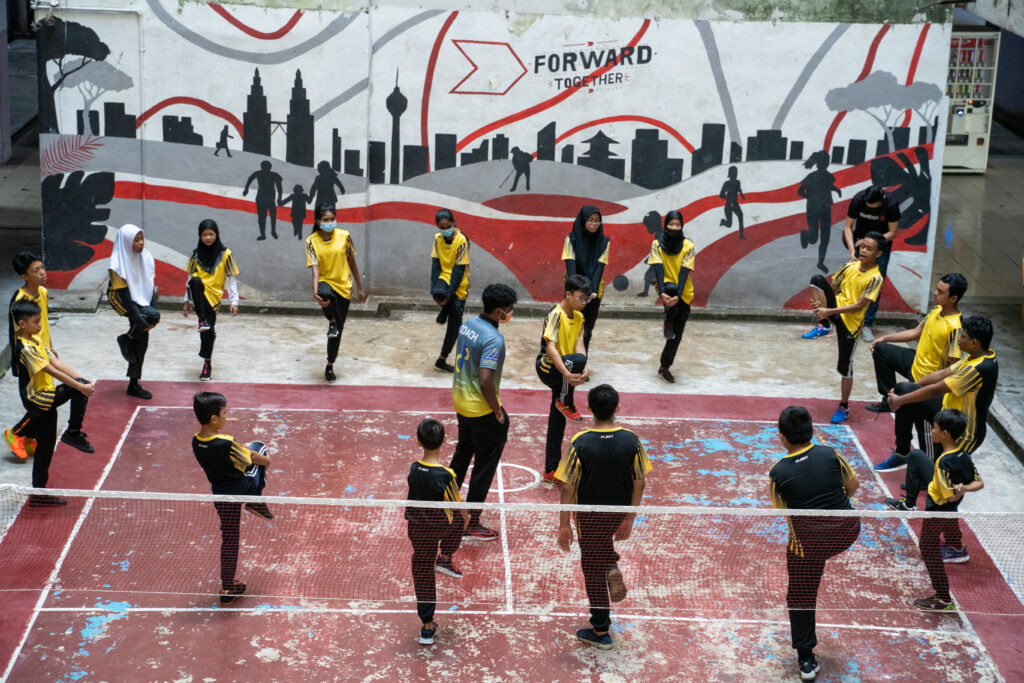
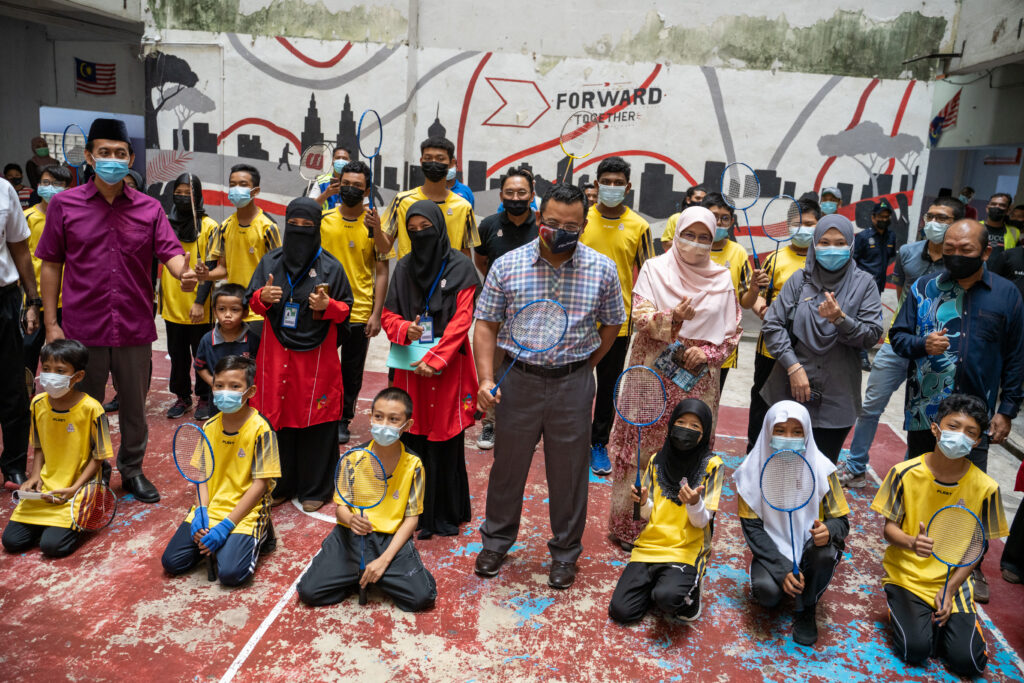
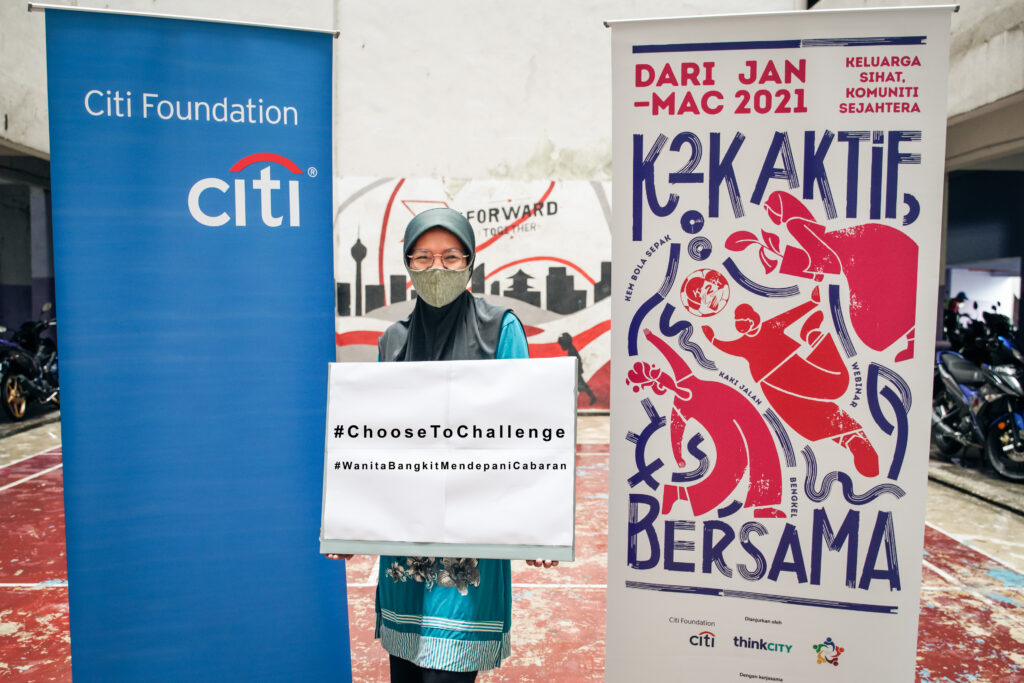
Figure 1 Various activities at public housing organised by Think City (Source: Think City
Case Study Table
The table below shows Think City’s key involvement in housing categorised by location, starting with the earliest intervention in 2010. In some cases, multiple interventions were initiated with various partners and funders at one site, either separately or together. Key learning and community issues are also listed.
Case Study Summaries
The section below provides brief summaries on the case studies listed in Table 1. Projects at the same site are summarised together.
1. Hock Teik Initiative
Mitigating the effects of gentrification by investing in local communities through an innovative Community Development Fund (CDF) mechanism.
Location: George Town, Penang
Project period: 2010
Contact person: Daniel Lim
Summary:
In 2009, long-standing tenants in the George Town World Heritage Site were facing displacement due to gentrification and rising rental prices. These effects were partly due to the repeal of the Control of Rent Act (CRA) 1966 in the year 2000, as well as George Town’s listing as a UNESCO World Heritage Site in 2008. Think City and its partner, the Asian Coalition for Housing Rights (ACHR) saw an opportunity to pilot an innovative Community Development Fund (CDF) as a participatory scheme to stabilise rental rates, using a combined grant programme and community loan. One of the ways to engage and empower vulnerable communities to participate, design and lead a community-based initiatives is through a strategic fund model with the aim of improving living conditions (Khazanah Research Institute, 1997).
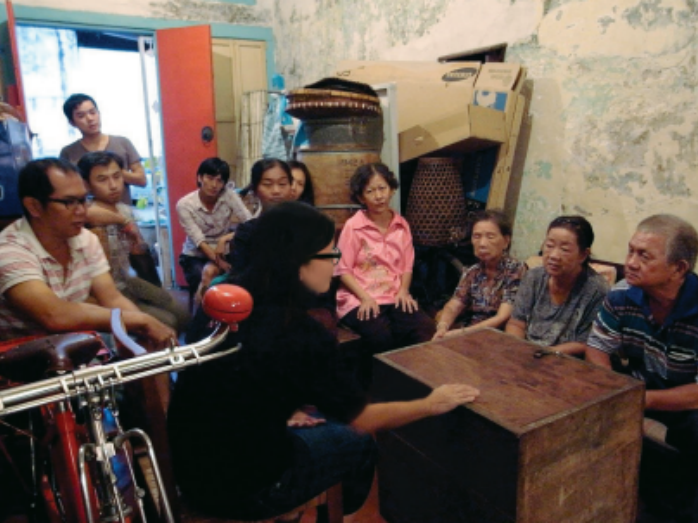
In this pilot introducing CDF, a secured tenancy with affordable rents was achieved for the community.
The selected site was the Hock Teik Cheng Sin Temple, which had submitted a physical grant application for 10 shophouses within its building complex, 8 of which were tenanted. The Hock Teik Cheng Sin Board of Trustees who were the “owners” of the property had insufficient funds for repair, while the tenants faced rental instability and insecure tenure. Think City provided matching grants to property owners for external repairs. Meanwhile, the ACHR provided a single community loan to tenants for internal repairs. Tenants collectively decided on funding priorities for their homes, understanding the limited budget given. Critical repairs were given precedence. These proposals were later presented to the owners, as tenants negotiated for tenancy rights. Both owners and tenants also had to attend workshops facilitated by Think City and ACHR.
The 10-month project resulted in a 10-year rental stabilisation. Tenants and owners negotiated a rental agreement below market rate that was mutually agreeable. Having both parties bring something to the table and allowing them to participate actively helped greatly (Khazanah Research Institute, 2017). While this is not a public housing estate, the project introduced an innovative financing mechanism to address issues for vulnerable communities.
2. PPR Kota Damansara Projects
Capturing potential of underutilised spaces for community-building and social cohesion.
Location: Kota Damansara, Selangor
Project period: 2016 – 2020
Contact person: Duncan Cave, Tam Xueh Wei
Summary:
The PPR Kota Damansara became infamous for the tragedy of two boys’ fatal fall due to the building’s dilapidated infrastructure. Subsequently, the state government funded building upgrades focusing on safety. Despite the infrastructural upgrades, more needs to be done to develop a sense of community and building social cohesion in this fragmented community.
To achieve this and improve overall liveability, Friends of Kota Damansara and partners set-up a community garden on-site. Think City provided a grant for this initiative, which helped support the set-up of a vegetable garden in the vicinity of the PPR. The site selected was previously an overgrown plot of land and a breeding ground for mosquitoes.
The grant aimed to build social cohesion and community ownership, identify and develop community leaders, and instil civic mindedness to create a liveable environment. A few strategies and rules were employed at the garden to achieve this, including: 1) diversity quotas (one out of four households assigned to a plot must be non-Malay), 2) equal distribution (produce is equally shared by all volunteers), and 3) displays of commitment (bi-weekly meetings and committee involvement).
In addition to this, in 2020 PPR Kota Damansara was also chosen as a site for the ‘K2K INDAH’ study, sponsored by the Selangor state government. Over 200 households with young children participated, providing insights on nutrition, income, and health during Covid-19. Simultaneous studies were also carried out at Desa Mentari and PPR Kg Baru Hicom.
3. PPA Seri Sarawak Projects
Building trust, one intervention at a time.
Location: Kuala Lumpur
Project period: 2017 – 2020
Contact person: Uta Dietrich, Joel Goh
Summary:
Following the success of the community garden at PPR Kota Damansara, Think City and partner MyPJ sought to replicate a similar project focused on liveability at another location. PPA Seri Sarawak, a public housing complex built in the 1970s at the heart of Kuala Lumpur was selected.
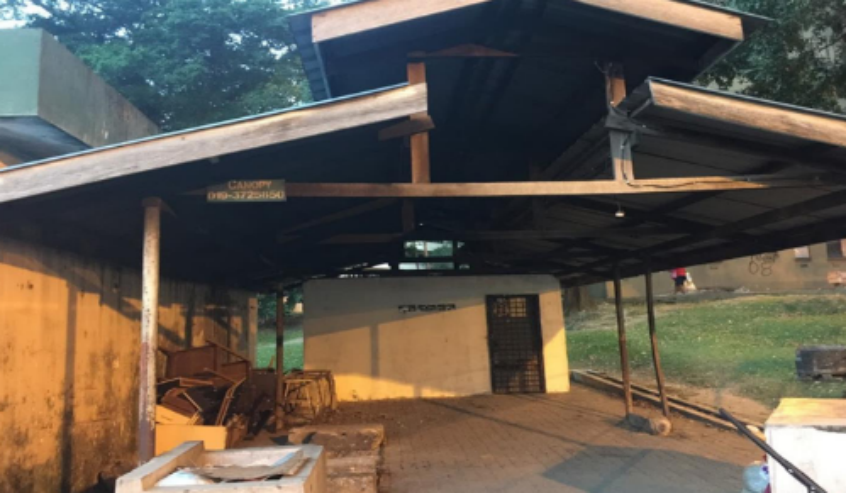
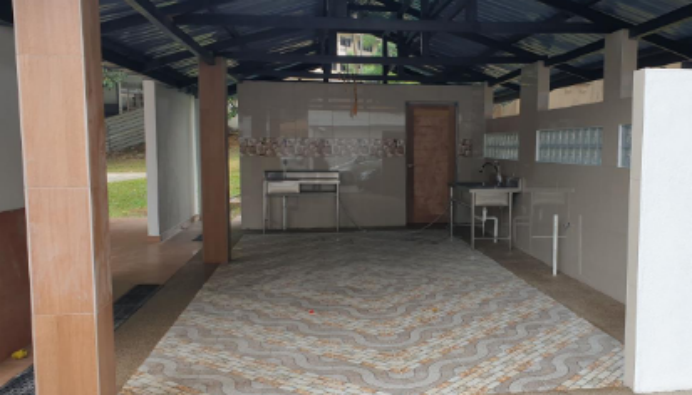
Prior to starting the project, Think City conducted an extensive baseline study to assess the needs and issues of the community. Alongside the baseline study, a study on social entrepreneurship opportunities was commissioned. The information from these studies provided input to shape the grant, which focused on the renovation of an old, unused rubbish collection point into an open-air hall and community kitchen (completed in 2021).
Despite Covid-19 delays, community contact continued through food aid from Citi Foundation, managed by Think City and MyPJ. The layered approach and constant presence helped build trust and establish MyPJ and Think City as strong community partners.
The initial interventions catalysed others, including the local community to kick-start their own initiatives. For example, MyPJ worked with partners like Deloitte to improve the common spaces through painting. Residents too painted murals and removed graffiti in these spaces.
Overall, the flats face similar challenges to other low-cost housing. In addition, there is also a prevalence of dissatisfaction and disagreement within the community groups that lead to frustration and disengagement which prevents focusing on larger community needs. MyPJ is working with the community to improve cohesion and effective representation through open consultative processes, community empowerment, and leadership development. The upgraded communal spaces are hoped to ease this process.
4. Yayasan Hasanah Socioeconomic Profiling Study
Understanding multi-dimensional poverty in B40 communities.
Location: Pulau Mantanani, Sabah; Kuching, Sarawak; Kuala Lumpur
Project period: 2018
Contact person: Joel Goh, Matt Benson
Summary:
Think City conducted a series of three baseline studies for Yayasan Hasanah to provide input for the planning of programmes and interventions for these and other B40 communities. It aimed to understand community resilience within a multidimensional poverty framework, identify specific needs, and provide community-specific recommendations for poverty exit. The study was unique in being caried out across rural, peri-urban, and urban areas.
The study was carried out using survey questionnaires, with questions refined to suit each community in the realm of demographics, access, social cohesion and community leadership, financial security, and environmental concerns. The findings match those contained within the 11th Malaysia plan, with key challenges identified being low skill levels, low value-added jobs, increase in living expenses, and limited access to healthcare. The study also showed intercommunity and intracommunity differences. Another important theme that emerged across communities was the lack of social cohesion and effective community leadership, which underpins other initiatives to improve resilience. This was seen through the low trust in community leadership among other issues.
The study then makes recommendations tailored to the respective communities. These recommendations were framed in terms of ‘safety nets’ which level the playing field and ‘cargo nets’ which provide opportunities. For example, where transport and accessibility were limited, shuttle bus or ferry services were recommended. The study highlights the importance of a holistic approach to understanding communities (Think City, 2018).
5. Flat Taman Jaya Regeneration
Linking river conservation and housing regeneration, for optimal quality of life.
Location: Johor Bahru, Johor
Project period: 2018 – 2019
Contact person: Mohd Shahril Abd Manan, Gan Yi Reng
Summary:
In 2018, the Iskandar Puteri City Council (MBIP) engaged Think City in a community-based river rehabilitation project, part of wider conservation efforts to rehabilitate the polluted Sungai Skudai. Within Think City’s scope of work was a pilot regeneration project at Flat Taman Jaya, a private, low-cost housing development which lay along the river.
The flats faced challenges linked to inadequate maintenance, poor structural integrity, lack of community ownership or social cohesion, and safety and crime. Rubbish, wastewater from a clogged septic tank and other refuse also flows directly into the river.
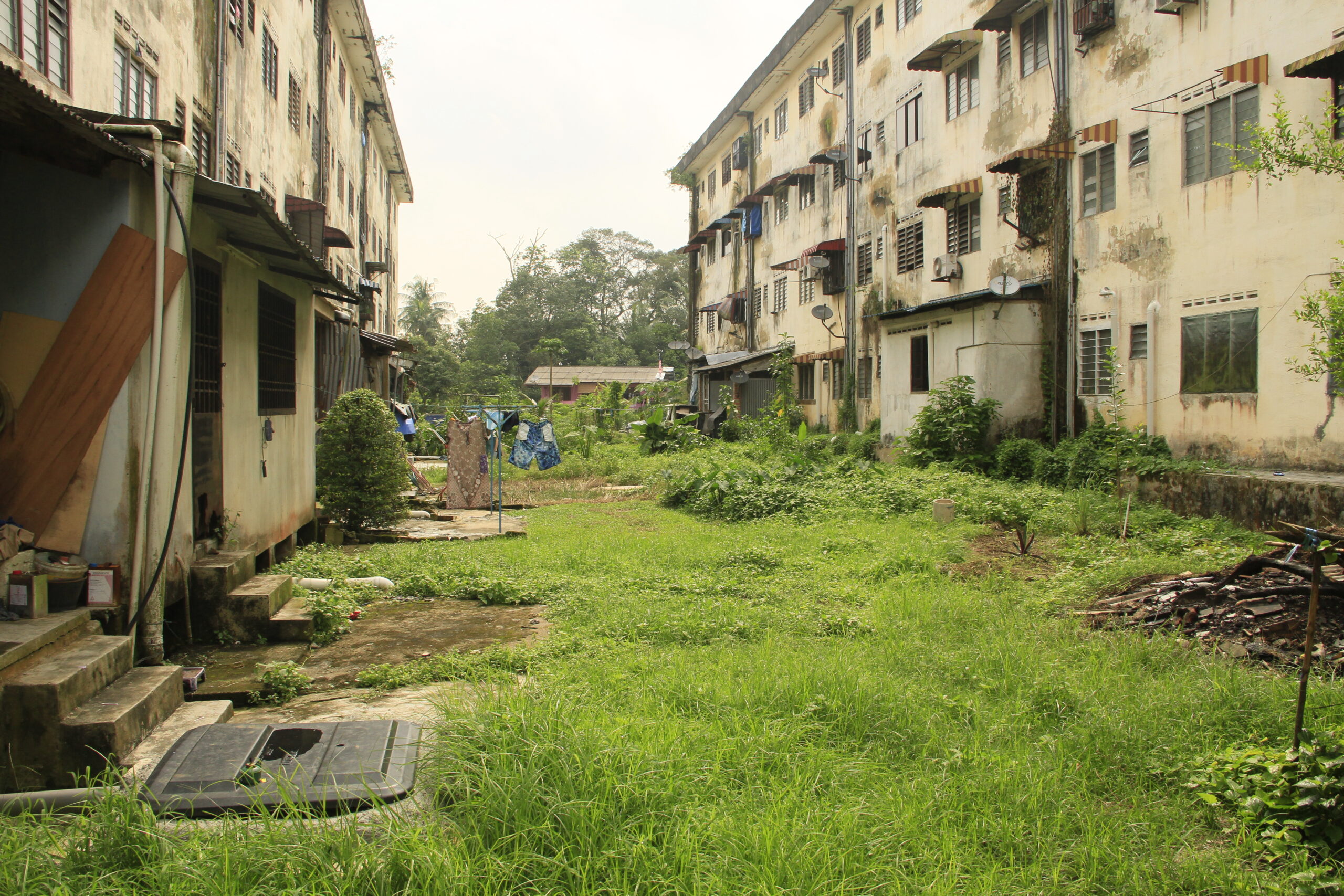
The planned intervention engaged residents in river conservation through education and awareness, building community ownership, and improving quality of life at the flats. The regeneration of the river was closely tied to the regeneration of the flats. Components of the intervention on site included a fresh coat of paint for the buildings, inclusive landscape design, upgrading of the drainage system, community garden, and safety and security programme for the children.
The intervention was supported by data on the community, buildings, and site collected through extensive observations, mapping and community surveys. The programme started with an Open Day held in February 2019 with activities like tree planting, composting, mural art, and informative talks and panels to inform and gather feedback on community aspirations for the area.
6. KMC Flats Precinct Urban Renewal Framework
An urban regeneration framework sensitive to community needs.
Location: Kuching, Sarawak
Project period: 2019
Contact person: Ceelia Leong, Matt Benson
Summary:
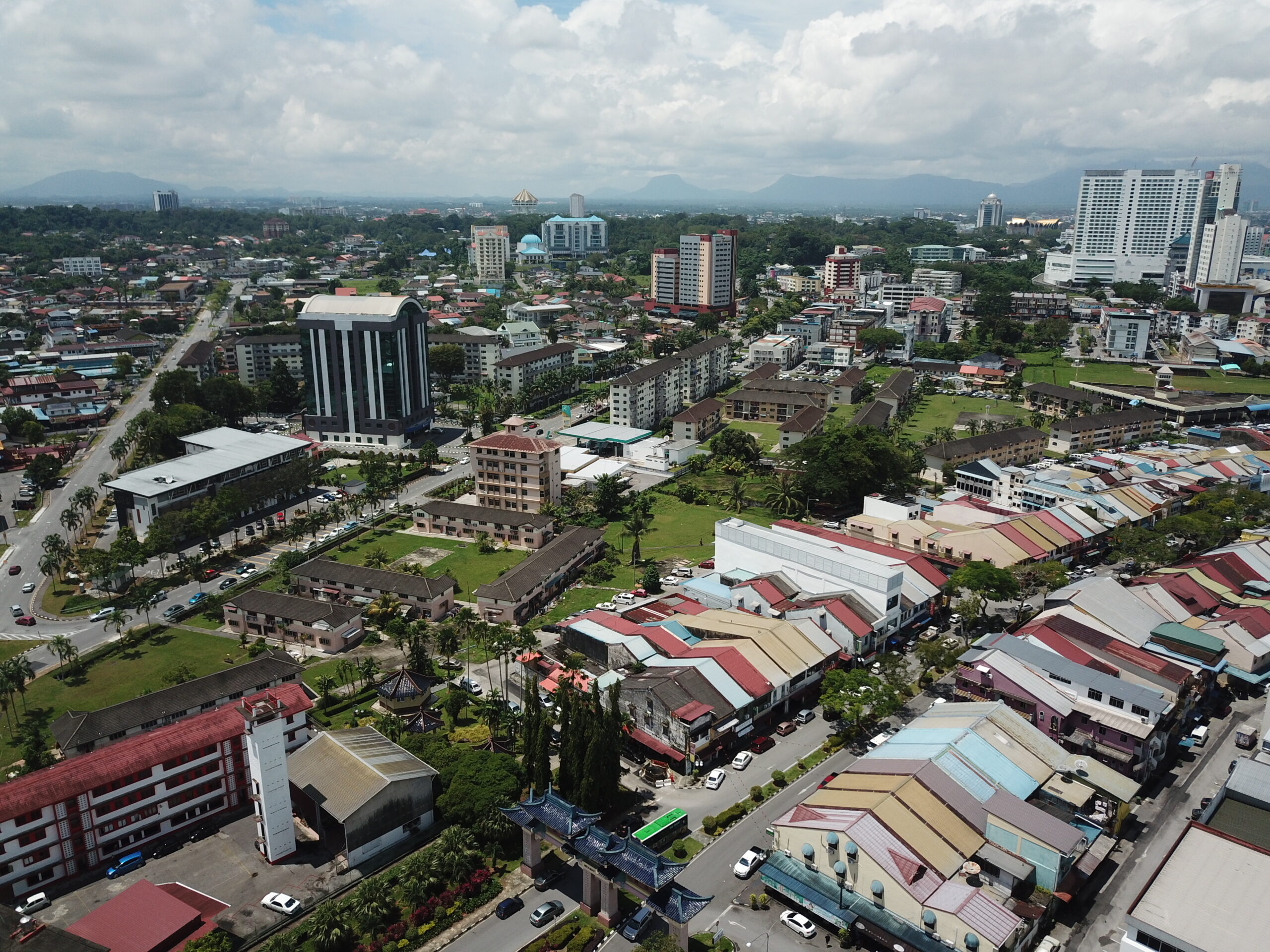
The KMC flats are low-density affordable housing built in the 1950s, and one of the earliest examples of social housing constructed in Sarawak. Many residents have lived here for decades. It was also visited by Prince Phillip when it was first built. It is surrounded by pre-WW2 shophouses and the Song Kheng Hai Recreation ground, all of which have historical significance in Kuching.
The precinct is close to the heart of the city and situated on prime land. The goal was to provide a comprehensive and balanced approach to rejuvenation of the area, while being sensitive to local values, and unlocking economic potential. The approach included extensive community and stakeholder engagements, historical research, site and building assessments and reviews of regulations and policies. This urban renewal framework was commissioned by Majlis Bandaraya Kuching Selatan, on behalf of the Minister for Local Government and Housing Sarawak, and in partnership with Arkitek JFN.
The resulting framework contained the vision, goals and guidelines, potential for additional build, amenity and infrastructure improvements, and more. Options proposed prioritised retaining the existing community in an inclusive, mixed-use and mixed-income development. Economic potential is unlocked through the demolition of low-rise two-storey blocks and the addition of extra blocks to generate income (Think City, Arkitek JFN, 2019).
7. PPR Kg Baru HICOM Projects
Leveraging community networks for sustained change.
Location: Shah Alam, Selangor
Project period: 2020 – 2022
Contact person: Khairiah Mokhtaruddin, Tam Xueh Wei
Summary:
Think City’s engagement at PPR Hicom began as an emergency Covid-19 aid intervention in May 2020, evolving over the next year to include studies, programmes, and pilot interventions funded by state government and private foundations. Programmes were placed under the K2K (or Kita-2-Kita) umbrella of projects aimed to understand and improve the quality of life within public housing.
The research component, ‘K2K INDAH’, comprised a study on childhood nutrition with over 200 households, focus groups to examine quality of life and governance, as well as a hygiene and sanitation mapping. Analysis of the findings showed poor nutrition habits, low financial security, a digital divide, education gaps, and poor health awareness among other challenges. In addition, the study looked at the community spatially, concluding that the quality of life was impacted by the isolation of the housing estate with poor access to key services.
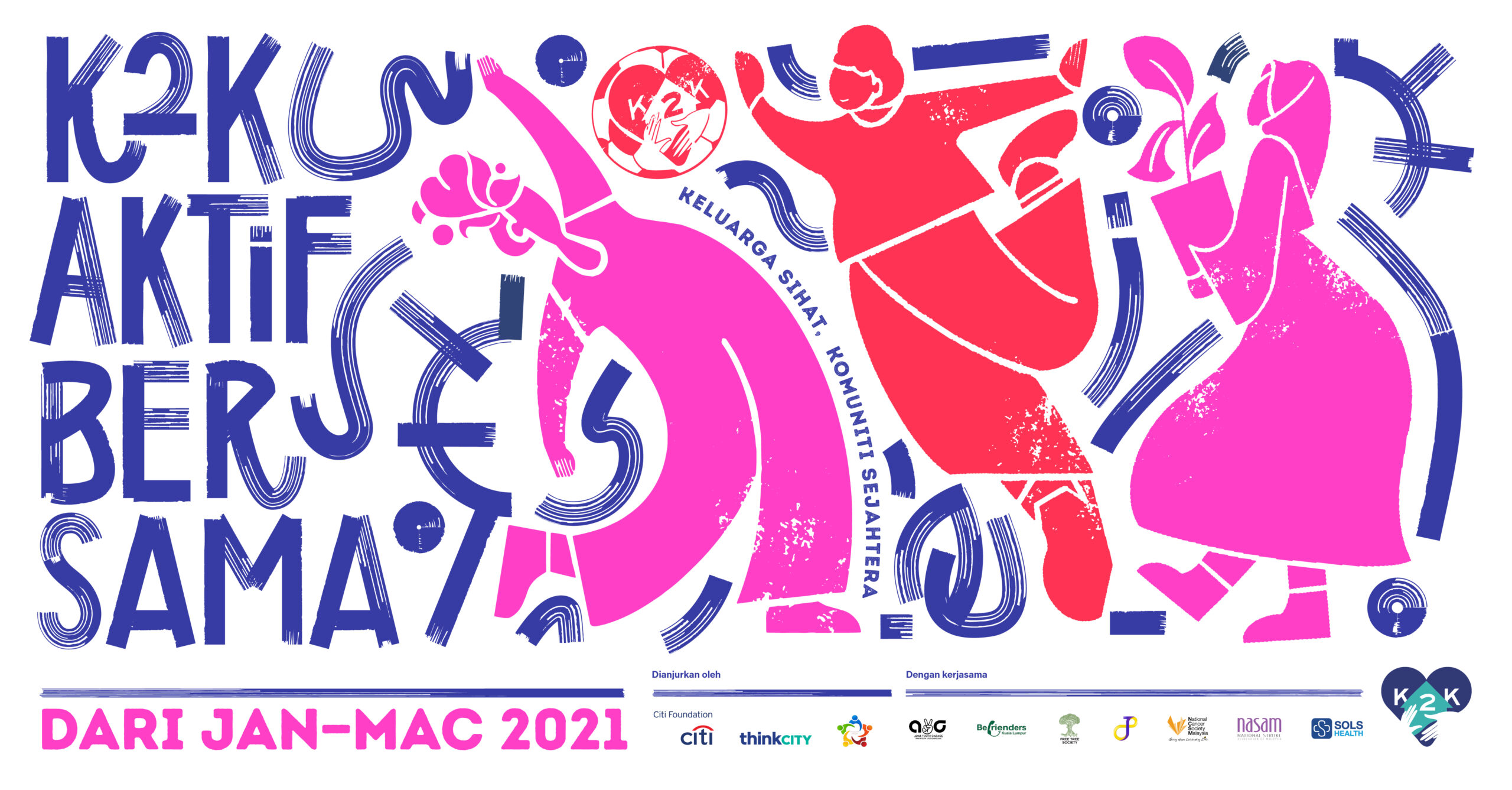
At the same time, Citi Foundation funded the ‘K2K Aktif Bersama’ health and wellbeing programme managed by Think City, community partners PERWACOM, and many external partners. Activities included walking groups, mental health consultations, composting workshops, entrepreneurship support on-site, and grant writing workshops for the community. PPR Hicom is also the site of a ‘Bakul K2K’ pilot programme providing direct access to high-quality affordable fresh produce to the community and the Rights to the City programme advocating collective action.
Critical to the programme’s success were the resident facilitators from PERWACOM, a women-run NGO which had existing initiatives on-site. Their dedication, extensive community knowledge, and well-organised structure helped build the momentum for new programmes.
8. Desa Mentari K2K INDAH Study
Examining Covid-19 disruptions to quality of life.
Location: Petaling Jaya, Selangor
Project period: 2020
Contact person: Uta Dietrich
Alongside the K2K INDAH studies conducted at PPR HICOM and PPR Kota Damansara in 2020, a study was also conducted at Desa Mentari, a private, low-cost housing complex located in Petaling Jaya. Over 230 households with young children participated in this survey, answering questions on income, cost of living, nutrition, and Covid-19 related disruptions. The findings correspond to the other two sites indicating poor nutrition habits were a concern for children. This has longer-term implications for general community health and well-being within the B40 communities.
9. Flat Jalan Kedah Site Assessment
Re-activating spaces for improved liveability.
Location: George Town, Penang
Project period: 2020
Contact person: Uta Dietrich
Summary:
In late 2020, Think City assessed the Jalan Kedah flats, which are located outside the George Town Heritage Zone. The flats, completed in the late 1980s, comprise a single high-rise block of 22 storeys, and house many of the urban poor in George Town. The flats are in a busy area, close to shops, tourist attractions and other amenities.
Among the many observations made was that the ground floor units and commercial space lay empty, thus holding great potential for revitalisation through entrepreneurship grants. Turning the ground floor into a mix of businesses and public space could activate the dead-space and provide much needed income to the community.
Learnings and Recommendations
The case studies provide important insights on the processes as well as findings on general liveability, as consolidated below:
Knowledge is key
An evidence-based, data-driven approach is crucial in understanding places and communities. Without this solid foundation of facts and insights, solutions are likely to miss the mark and advocating for change becomes much more difficult. The exercise of mapping and linking identified variables such as community needs, history, stakeholders, resources and more provide useful parameters within which a solution framework can be developed.
This knowledge comes in many forms and is collected through a variety of methods, from conversations to structured surveys to building assessments. Making sense of the information and communicating the findings are also critical steps in the process.
At PPR Hicom for example, multiple methods were used to gather information on the community and the site. The results painted a comprehensive picture of key community issues and needs from the dimensions of health and wellbeing, income, education and quality of space. This collated information was shared with the community through information panels and in advocacy with stakeholders. Residents also used this information to make their case to the State Government during the latter’s official visit to the site.
Similar lessons can be taken from the KMC Flats and Yayasan Hasanah studies. In the former, gathering community stories and historical data showed the historic and cultural significance of the site. In the latter, surveys and observations provided the basis for customised recommendations to improve quality of life.
Trust and be trusted
When entering a community, gaining trust is necessary for the project’s success. Without it, the community would be unlikely to support or participate in the project introduced. Whilst there are many ways of building trust, one tried and trusted method is creating genuine relationships that is based on honesty, transparency, encouragement to participate, and effective communication. Different sites have shown how trust develops differently. For instance, in PPA Seri Sarawak, Think City and its partners’ repeated presence over a period of time built confidence gradually. Channelling aid during a time of need also provided assurance of how such gestures can help change views and eventually help catalyse resident-led initiatives.
Conversely, trust can also be built through short and intense programmes as conducted in PPR Hicom where over 15 activities took place in a span of one year. Another option is to partner with stakeholders who have already achieved a high level of trust and influence as with the Yayasan Hasanah studies. Partners such as Reef Check and Yayasan Sejahtera helped Think City liaise with the community and provided legitimacy and assurance to the project.
More importantly, an external party should trust that the community knows best and will act in their collective best interest. This was the case in the Hock Teik Initiative when residents prioritised repairs for neighbours who needed it more. The community was also trusted to participate actively and provide solutions.
Invest in the community for longer term
Where possible, programmes should invest in community development for long-term sustainability. An empowered, socially connected and knowledgeable community is far more resilient, independent, and capable in weathering challenges. In addition to more general, community-wide initiatives, targeted leadership development should be encouraged to support potential leaders and agents of change.
At PPR Hicom, residents were recruited to be facilitators, consulted in programme design, encouraged to champion their own causes and share stories. Community champions received entrepreneurship and grant-writing support.
At the Hock Teik Temple, the community members were part of a participatory process, learned their rights and negotiated their rent. Similarly, at PPR Kota Damansara, the community garden committee supported leadership development and social cohesion. Flat Taman Jaya residents were shown their role in river regeneration and how that impacted overall liveability.
Meanwhile, the PPA Seri Sarawak experience and Yayasan Hasanah study highlight struggles faced by a disempowered community with poor social cohesion. Leadership deficits, strong disagreements and weak community structures lead to needs going unmet.
Creative problem-solving with diverse parties
Out-of-the box thinking and cross-sectional perspectives add value to problem-solving. One way of doing this is by bringing in different stakeholders from various walks of life who may provide interesting answers to challenges.
At PPR Kota Damansara, PPA Seri Sarawak, and the Jalan Kedah Flats, creative thinking was done by looking at under-utilised spaces differently to meet local community needs. At PPR Hicom, examining the development from a spatial perspective shed interesting light on the isolated and relatively inaccessible nature of its location. The innovation at the Hock Teik Temple was in the form of community financing, and disrupting traditional owner-tenant dynamics.
Power of partnership
Projects undertaken in partnership bring great value. In each location, Think City has worked with a network of partners to support the community. Partner organisations bring a wealth of expertise, resources, and perspectives to the table, often complementing Think City’s work.
At Flat Taman Jaya, partnerships with universities provided added resources and insights through students for site observation and surveys. Students too gained extensive field work exposure and experience with community engagement. This arrangement benefitted both parties as it enabled learning from one another.
During the Yayasan Hasanah study, local NGO partners helped Think City conduct the surveys and provided their knowledge of the communities. The programme with the most partners was K2K Aktif Bersama at PPR Hicom. More than 10 groups worked together to bring a variety of health and wellbeing programmes for the community.
It’s about quality of life
Ultimately, the reason for intervening in public housing it to improve residents’ quality of life. This falls within three core, interconnected areas: improving standard of living, reducing cost of living, and strengthening governance. Below are key insights collected:
Quality of Space: It’s usually the case that public housing units are poorly designed and ventilated, with inadequate space for the typically large households that occupy each unit. Structures and fixings can be faulty. This was the case in PPR Hicom, where badly designed windows resulted in flooding on the higher floors when it rained. While advocating better overall design is important in the long-term, in the short-term intervention should focus on improving quality of space, especially communal spaces.
This encompasses maintenance, hygiene, and cleanliness, which link to health and safety. Clogged drains, pests, and improper waste management can result in the spread of diseases like Dengue, parasites, and other health issues. Communal spaces where residents can spend time together help build social cohesion. Clever use of space can turn previously underused areas into public space like community gardens, and kitchens as in PPR Kota Damansara and PPA Seri Sarawak. Additionally, quality green spaces with shady trees also help.
Livelihood: Many living in public housing struggled during the Covid-19 pandemic, facing job loss and income disruption with little to no savings. These highlight underlying challenges such as low-education levels, low value-added jobs, poor financial literacy, and overall vulnerability. Programmes to improve these areas need to be brought directly to public housing. In addition, programmes to reduce cost of living for these communities in sustainable ways should be prioritised. At PPR Hicom, entrepreneurship programmes were provided through the Think City introduction to MARA, which helped residents market their wares online and increased sales.
Children and Youth: For the many children and youth living in public housing, education, activities, and quality of space are key concerns. During the Covid-19 pandemic, the lack of digital devices, poor internet connection, and inconducive spaces were big hurdles for effective learning. These children likely faced serious disruptions to their education at that time. Children also require safe and adequate space for play, which public housing lack and need to improve. Additionally, there is demand for stimulating programmes and activities for children and youth. For example, there was great demand for the K2K Aktif Bersama programmes open to children (e.g., badminton, photography workshop).
Health and Wellbeing: Low awareness and action on health and mental health, as well as limited opportunities to be physically active reduce health and overall community resilience. These are linked to education, nutrition, income, lack of access, poor walkability, and more. Programmes like K2K Aktif Bersama are popular and much needed in public housing complexes.
Accessibility: Newer public housing complexes are usually at the periphery of cities, with poor access to jobs, healthcare, schools, and other amenities. Commutes can be costly in terms of time and money. Housing complexes like KMC Flats and PPA Seri Sarawak built decades ago are some of the rare exceptions. It is important to preserve them, promote housing diversity in the city, and improve accessibility for all public housing complexes.
Governance and Community Organisation: Management bodies and rigid governance structures can help or hinder initiatives for residents. There is little downward accountability, with public housing residents at the mercy of top-down regulations and directives. If a lift breaks down for example, management or other service providers are not accountable to residents, but instead their employers. This is a cause of frustration to many residents, who feel management may not be responding to their needs. On the flip side, management bodies have to contend with poor rental or management fee payments.
Keeping management constantly informed, working within their identified Key Performance Indices and respecting their restrictions will help ease any tension. In the long run, more flexible, resident-accountable processes should be implemented. It is also important to involve residents in important decisions and make them partners in the general upkeep of the housing area. Communities will play an active role if given the right avenue and know their voices will be listened to. This can be seen with their participation in residents’ organisations on site like the Residents’ Associations (RA). Of course, these structures are vulnerable to infighting, elite capture, and cronyism if the processes aren’t transparent and accountable. Partners like MyPJ spend years working with management and various community groups at PPA Seri Sarawak to improve these processes alongside their main interventions.
Conclusion
B40 housing communities, whether public or private, need intervention as the Covid-19 pandemic has unearthed vulnerabilities that has existed pre-pandemic. Engagement with the community is central to identifying solutions and sequencing interventions towards a more sustainable and lasting change. The knowledge collected through the cases identified in this document could help in framing feasibility studies, understanding the community and recognising the issues surrounding quality of life that is central in addressing liveability challenges faced by the community. The learnings and recommendations outlined in this study could also help policymakers and service delivery partners to review, rethink and restrategise the pathway of solutions-making towards changing the lives of the target community.
Bibliography
Khazanah Research Institute. (2017). Building Social Capital: The George Town Experiment. Kuala Lumpur: Khazanah Research Institute.
Think City. (2018). B40 Community Socioeconomic Profiling Study – Integrated Report. Kuala Lumpur: Unpublished.
Think City, Arkitek JFN. (2019). KMC Flats Precinct Urban Renewal Framework. Unpublished.
